Europe’s wind power installation pace has not been up to par, according to figures recently released by Wind-Europe for the first half of 2025. When compared to the rate needed to meet the European Union’s 2030 energy security and climate targets, this is a substantial disparity. In order to boost wind power installations, the group is urging governments to act.
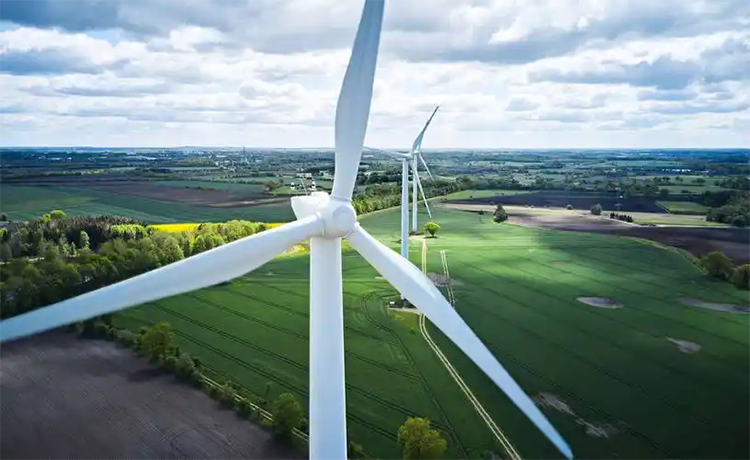
European Installation Data: Total Amount Surpasses Expectations but Growth Rate Lags Behind, Target Gap Remains Significant
In the first half of 2025, Europe added 6.8 GW of new wind power capacity, with the EU contributing 5.3 GW, 89% of which was onshore wind. Now, Europe’s total installed wind power capacity has reached 291 GW, comprising 254 GW of onshore wind and 37 GW of offshore wind. However, current progress still falls significantly short of the European Union’s 2030 target. At this pace, the European Union’s total wind power capacity will only reach 344 GW by 2030 (298 GW onshore, 46 GW offshore). This represents an 81 GW shortfall compared to the planned 425 GW target, meaning annual new installations must significantly increase over the next five years to meet the goal.
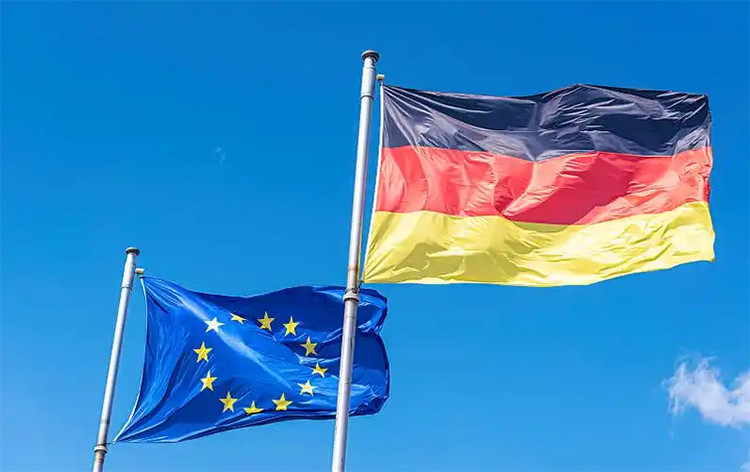
Regional Divergence: Germany Leads Expansion While Most Nations Face Approval Bottlenecks
From regional perspective, Europe's new wind power capacity additions in the first half of 2025 exhibited a dominant pattern: Germany led with 2.2 GW of new installations, accounting for 32% of Europe's total. Spain (889 MW) and the United Kingdom (769 MW) followed closely, with these three countries collectively contributing 57% of Europe's new capacity. Turkey ranked fourth with 593 MW of new additions.
Germany's rapid progress stems primarily from its early implementation and strict enforcement of new EU approval regulations. Currently, the approval process for wind power projects in Germany has been shortened to 18 months, fully meeting the requirements of the Renewable Energy Directive (RED III). In 2024, Germany approved a record-breaking 15GW of new onshore wind projects. By the first half of 2025, an additional 8GW of onshore wind capacity had been approved, with annual installations projected to reach 5GW—nearly triple the average level of the past five years.
In stark contrast, the other 26 EU member states have generally lagged behind in wind power project approvals, failing to meet the RED III target of completing approvals for new wind power projects within 24 months. Inefficient approval processes have become a key bottleneck constraining the overall expansion of wind power across Europe.
European Wind Energy Association: Governments Need to Accelerate Wind Power Investment and Construction
Wind power is essential to boosting Europe's economic competitiveness, according to Giles Dickson, CEO of the European Wind Energy Association: "Wind energy not only lowers dependence on fossil fuel imports but also lowers electricity costs for citizens and businesses." Approximately 400,000 people in Europe today work in wind power-related companies, and each new turbine adds €16 million to the the European Union’s GDP, demonstrating the substantial employment and tax revenue it generates. However, unless national governments expedite the approval and building of wind power projects, Europe may find it difficult to reach its 2030 energy ambitions.

Positive Signals: Wind Power Investment and Orders Showing an Upward Trend
Despite the current installation delays, the market continues to send positive signals: In the first half of 2025, total investment in European wind power projects reached €34 billion, already surpassing the whole year figure for 2024, with€22 billion specifically allocated to offshore wind. During the same time, orders for wind turbine units reached 11.3 GW (including 8.8 GW for onshore and 2.5 GW for offshore), marking a 19% year-on-year increase. This growth fully reflects long-term confidence of investors in the European wind power market.
HKW Deepens Its Presence in the European Wind Power Market
The demand for core bearings is still rising as a result of Europe's growing wind power investment and turbine orders. Using its German headquarters and branches in France and the UK to precisely align with regional needs, HKW, a German company with a century of experience in precision manufacturing, is strategically expanding its market presence in Europe. It does this by customizing and optimizing onshore and offshore wind turbine bearing designs based on local climate and wind data. High dependability and great adaptability are combined in HKW’s Three-row cylindrical main bearings, yaw bearings, and pitch bearings to precisely satisfy the practical needs of wind power projects in Europe.
As a leading brand in European wind turbine bearing technology, HKW will continue to deepen its presence in the European wind power equipment market. With more advanced technology and superior products, we will support the growth of Europe's wind power industry and help achieve its 2030 energy goals.