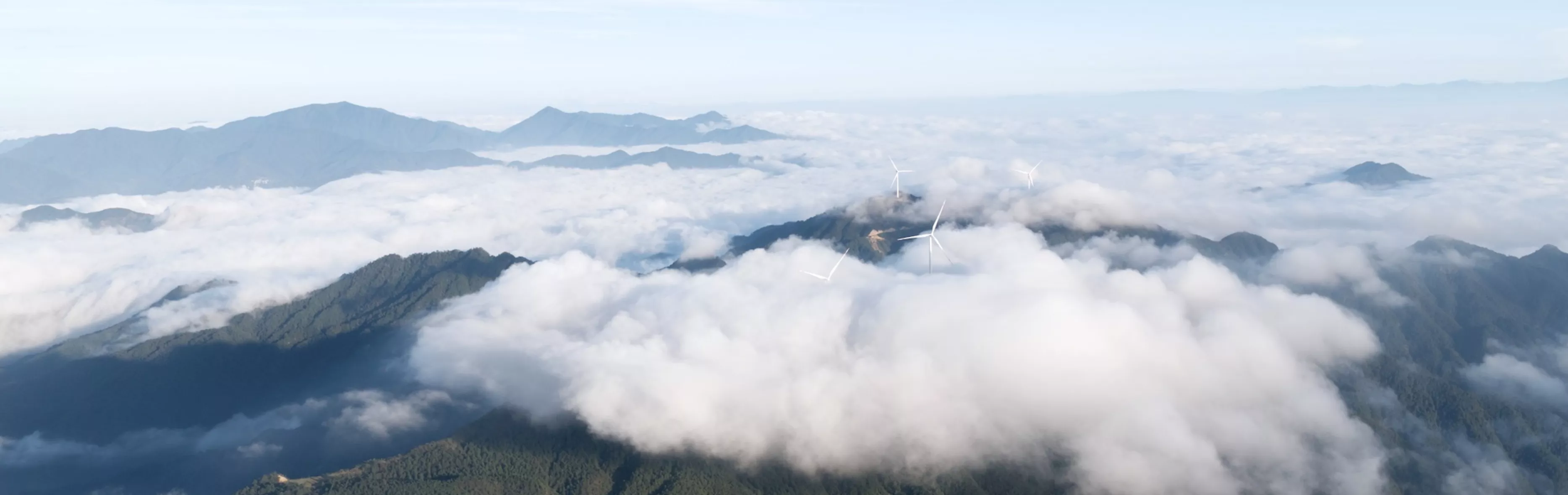
Ørsted, the world's largest offshore wind developer, stands at a crossroads of destiny, with an uncertain future ahead.
Ørsted is essentially a state-controlled enterprise, originating from the state-owned energy company Dansk Naturgas A/S established in 1972. The Danish government holds a 50.1% stake, securing absolute controlling interest.
As the majority shareholder, the Danish government plays a pivotal role in Ørsted's major decisions. Most notably, in October 2025, amid industry downturns and cash flow pressures, the Danish government contributed half of the funds in a lifesaving rights issue worth 60 billion Danish kroner (approximately $9.4 billion), helping Ørsted weather the storm.
But this state-owned enterprise endorsement has now placed Ørsted at the center of controversy. According to Danish media reports, a political battle over Ørsted's “privatization” is quietly unfolding in Copenhagen.
Denmark's right-wing parties plan to jointly push the government to sell its entire 50.1% stake following the March 24 parliamentary election. Should this initiative succeed, the Danish government's half-century history of controlling the company would officially come to an end. The controlling shareholder, having just completed a capital injection, would then exit the scene, leaving Ørsted's future shrouded in significant uncertainty.
Ørsted is currently facing both internal and external challenges. Externally, the Trump administration in the United States has aggressively suppressed wind power, halting multiple key projects. Although the company narrowly won a legal battle, the policy uncertainty remains. Internally, due to soaring costs, the company has reluctantly terminated the Hornsea 4 project in the UK and initiated a global downsizing plan involving 2,000 job cuts.
To break the deadlock, Ørsted has even secretly advanced a plan codenamed “Project Dragon,” aiming to mass-purchase Chinese wind turbines between 2026 and 2028 to reduce costs and boost efficiency. This strategic pivot signals that the European giant is attempting to break through by restructuring its supply chain.
As a global leader in the offshore wind power industry, any change in Ørsted's ownership structure will inevitably reshape the global industrial landscape. Should the Danish government complete its share sale, Ørsted will formally exit its era of state ownership, triggering fundamental adjustments to its global strategy, project portfolio, and capital operations. This transformation not only reflects the company's mounting operational pressures but also has the potential to profoundly reshape the competitive landscape and collaborative dynamics within the global offshore wind sector, influencing the entire industry's trajectory.