I. Overview: New Installed Capacity Hits Record High, with Onshore Wind Power Driving Growth
According to the latest statistics from the European Wind Energy Association, Europe's wind power sector is poised for robust growth by 2025:
New installations: Annual new installed capacity reached 19.1 GW, with onshore wind power accounting for a significant 90% (17.2 GW).
EU Performance: The 27 EU member states contributed 15.1 GW of new capacity, with 94% coming from onshore wind power (14.2 GW).
Cumulative Capacity: By the end of 2025, Europe's total installed wind power capacity will rise to 304 GW (onshore: 265 GW; offshore: 39 GW). The EU-27 member states will collectively reach a total capacity of 246 GW (onshore: 224.5 GW; offshore: 21.5 GW).
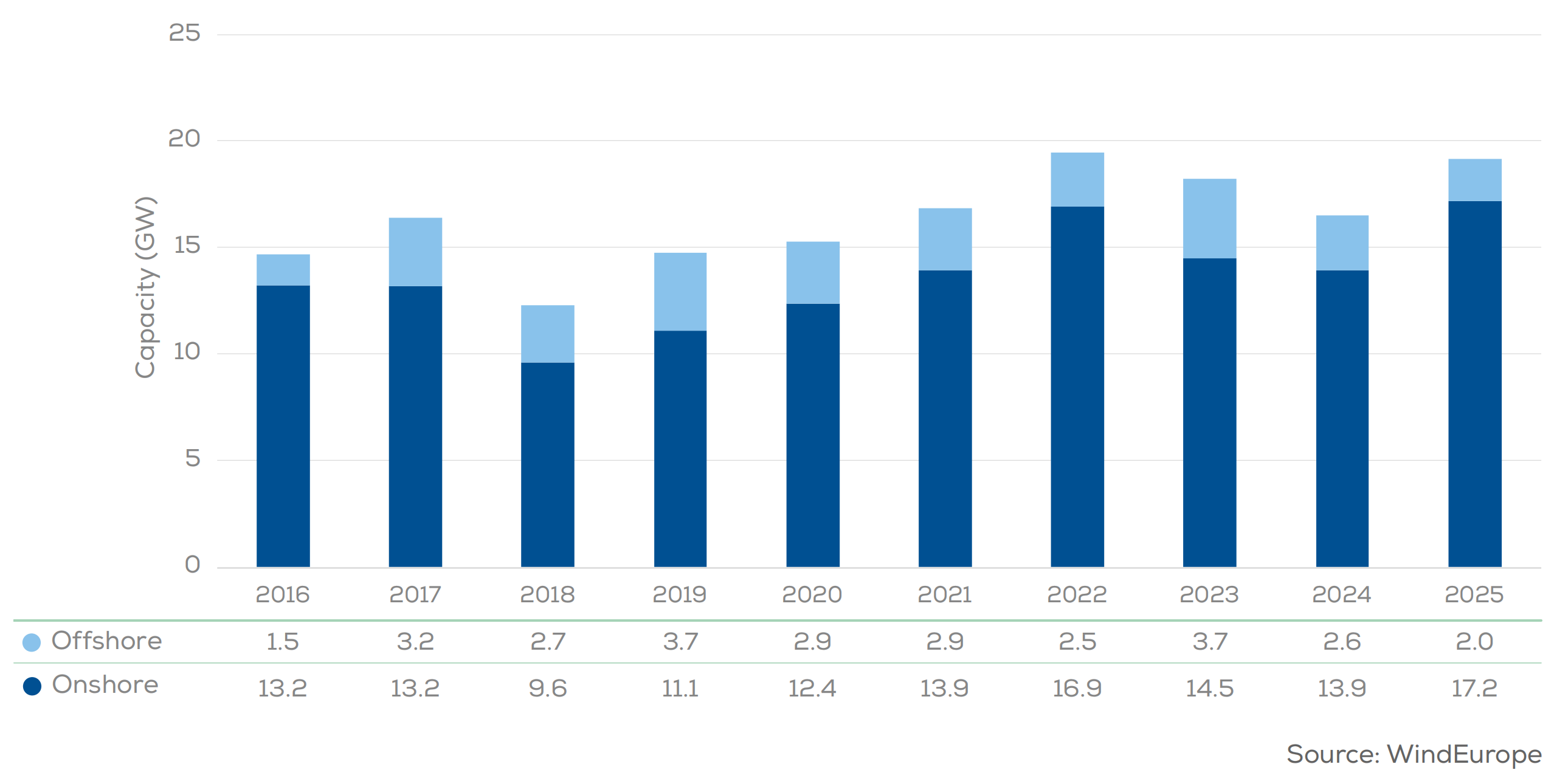
Figure 1: Annual Onshore and Offshore Wind Power Capacity in Europe
II. Country Landscape: Germany Leads the Way, Followed Closely by Multiple Nations
Germany: With 5.74 GW of new capacity installed a national record, including 5.23 GW onshore and 0.50 GW offshore, it remains firmly in first place in Europe.
Second Tier: Turkey (2.14 GW), Sweden (1.77 GW), Spain (1.56 GW), France (1.41 GW), and the United Kingdom (1.25 GW) followed, collectively driving regional growth.
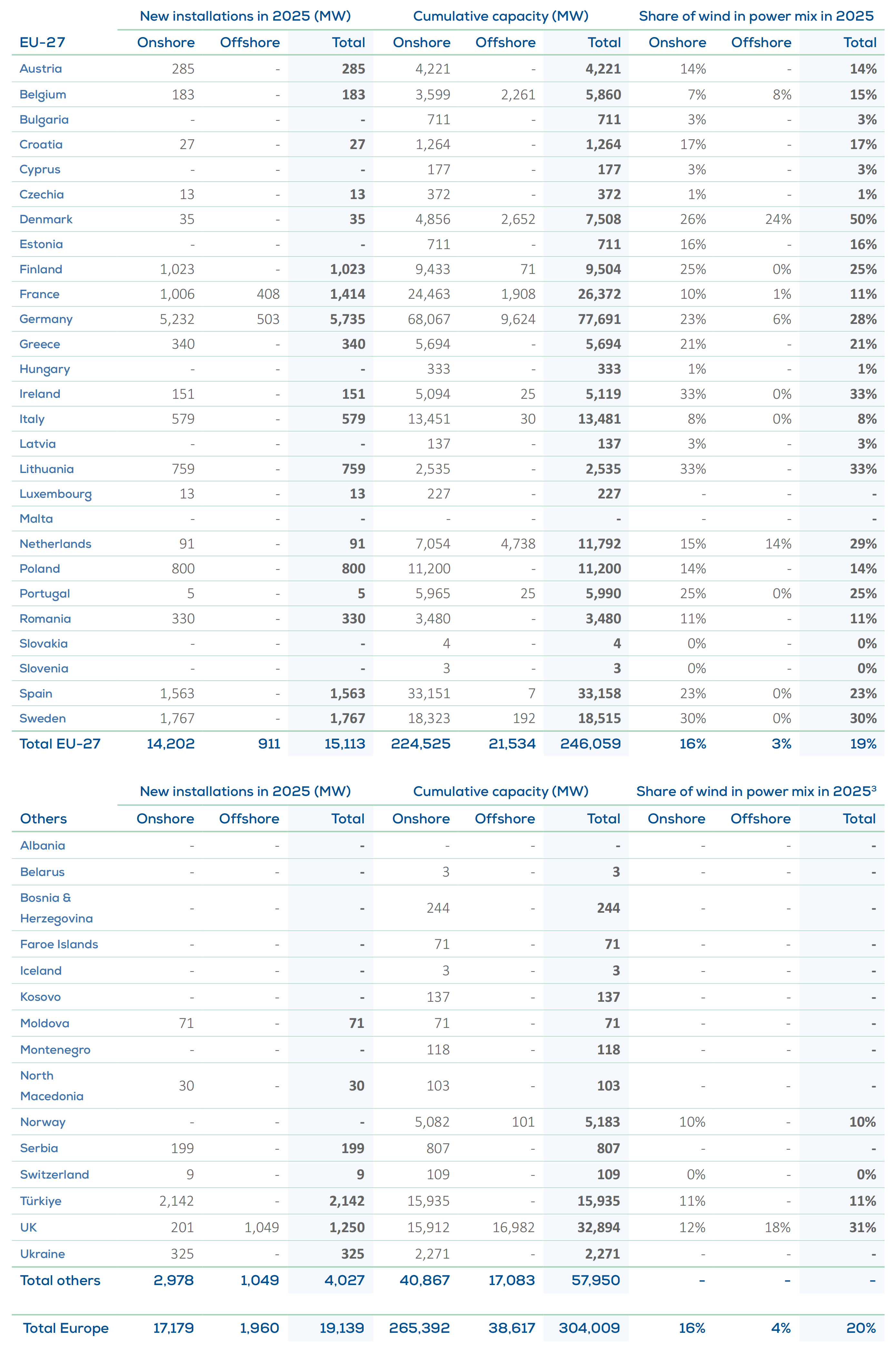
Figure 2: New Wind Power Capacity Installed, Total Installed Capacity, and Electricity Generation as a Percentage of Electricity Demand in Various Countries by 2025
III. Technology Trends: Accelerated Trend Toward Larger Wind Turbines, Orders Point to Future Developments
By 2025, European wind turbine technology will undergo significant iteration, with “high power and high efficiency” emerging as the core trend:
Onshore Wind Power:
Average Power Increase: The average capacity of newly added onshore wind turbines has risen to 5.2 MW (4.6 MW in 2024).
Regional Variations: Romania deploys turbines with the highest average capacity (6.6 MW), followed by Finland (6.5 MW) and Sweden (6.4 MW).
Future Outlook: Based on disclosed orders, the average capacity has further increased to 6.1 MW (compared to 5.7 MW in 2024), indicating that large-capacity models will become mainstream in the coming years.
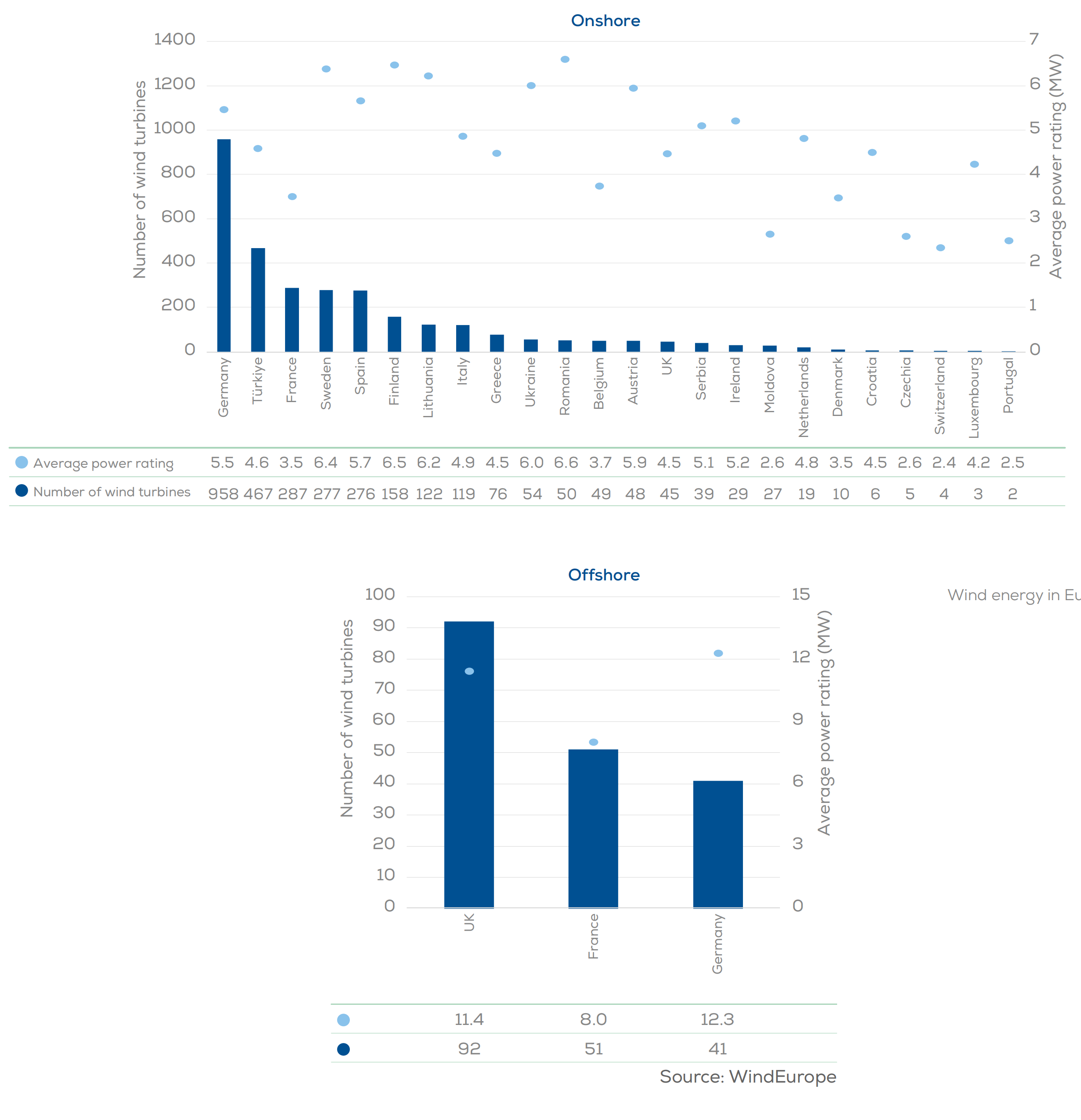
Figure 3: Number of New Wind Turbines and Average Installed Capacity in Major European Countries by 2025
Offshore Wind Power:
Average Power Increase: New grid-connected offshore wind turbines now feature an average capacity of 10.7 MW (up from 10.1 MW in 2024). Germany (12.3 MW) and the United Kingdom (11.4 MW) lead the field.
Order Backlog: The average capacity of offshore wind turbine orders remains at a high level of 14.6 MW, consistent with the previous two years, laying a solid foundation for project implementation in the coming years.
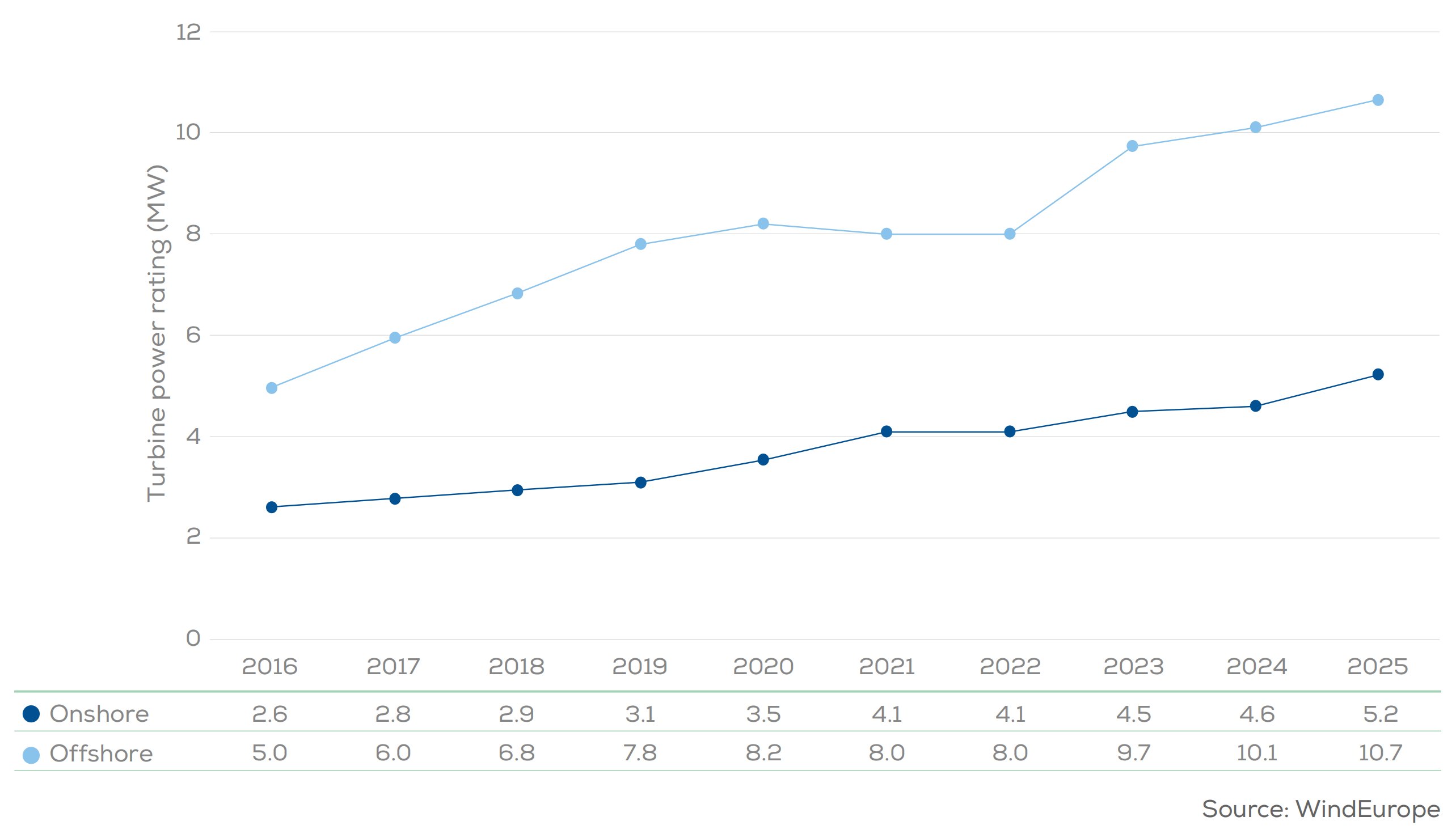
Figure 4: Average Power of Wind Turbines Installed in Europe, 2016–2025
IV. Policy and Investment: Approval Fluctuations Do Not Alter Long-Term Positive Outlook; Investment Confidence Remains Steady
Approval Trends: In 2025, ten European countries collectively approved 29.4 GW of new projects (22.6 GW onshore, 6.8 GW offshore), slightly below the 36.6 GW total in 2024.
Note: Data fluctuations were primarily influenced by the delayed outcome of the UK's seventh round of Contracts for Difference (CfD) allocations. This round was ultimately announced in early 2026, approving a record 9.7 GW of capacity in a single batch.
Capital Investment: New wind farm investments will reach €45 billion by 2025. Final Investment Decisions (FIDs) have secured future construction capacity including 15.5 GW of onshore and 5.4 GW of offshore wind power, demonstrating strong market confidence in medium-to-long-term development.
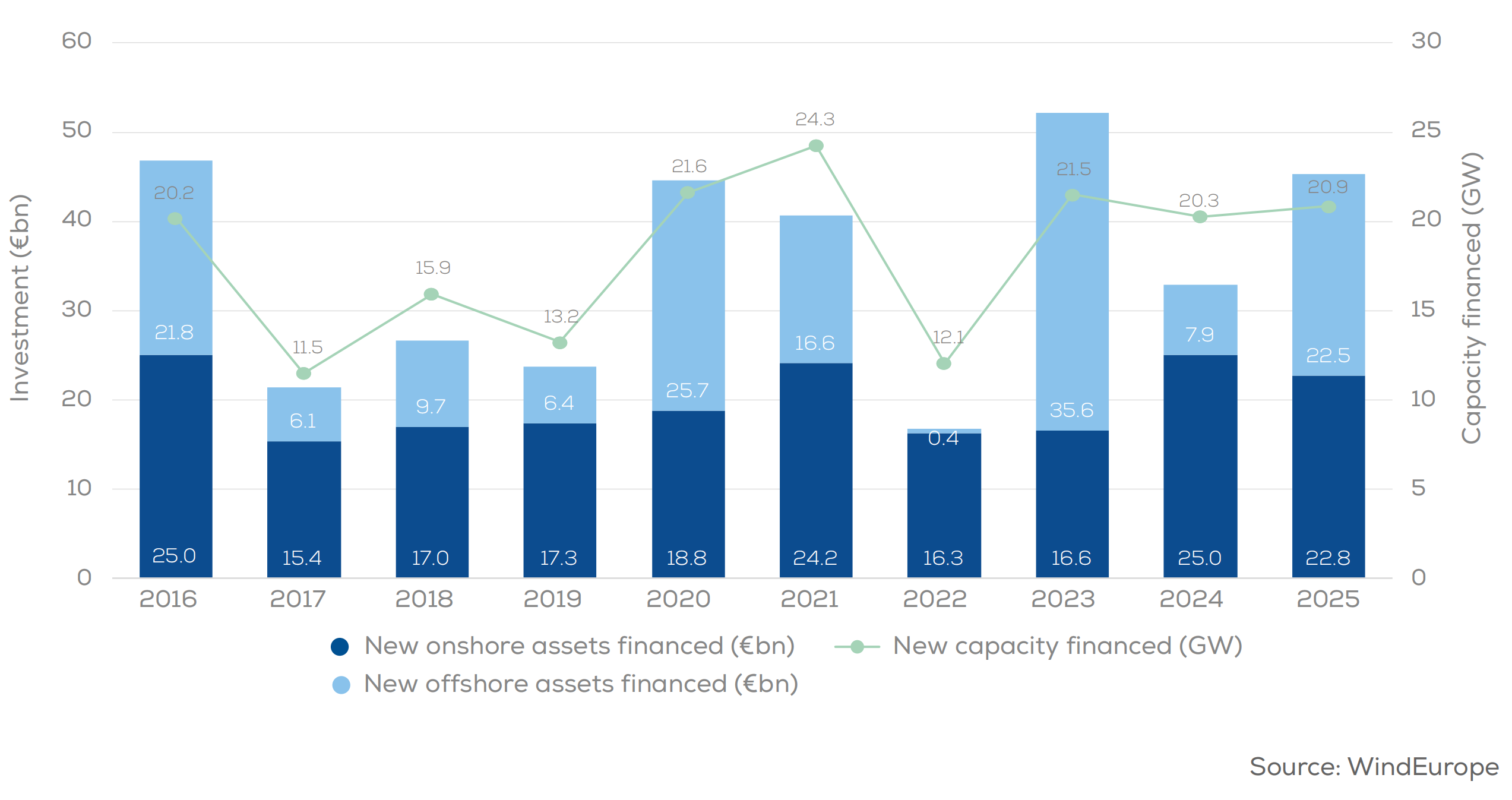
Figure 5: Investment in New Wind Farms, 2016-2025
V. Future Outlook: Growth is expected, but there remains a gap to EU targets.
Overall European Forecast: Annual new installations are projected to average 30 GW between 2026 and 2030. By 2030, total installed capacity is expected to reach 439 GW (366 GW onshore, 73 GW offshore).
EU Challenge: The EU is projected to add 22 GW annually, reaching a total capacity of 343 GW by 2030. However, this figure remains significantly below the EU's strategic target of 425 GW, indicating that deployment must accelerate substantially over the next five years to meet the goal.