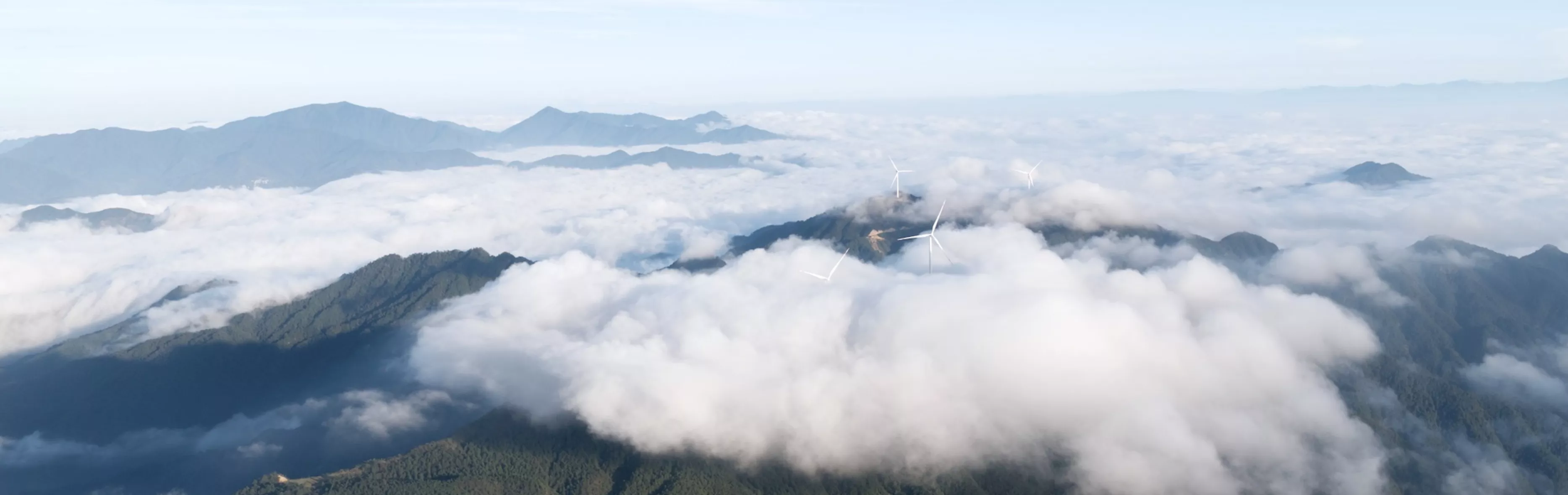
Vestas, the global leader in wind power, has recently made its stance crystal clear: it will not sell wind turbines in India for the time being. There is only one core reason—it simply cannot turn a profit by selling turbines in the Indian market.
Henrik Andersen, Chief Executive Officer of Vestas, said bluntly in an interview: "Our business logic is straightforward: we only set foot in markets where we can make money. There is no point in forcing our way into unprofitable markets. If our product pricing cannot bring reasonable returns, there is no need to deploy our technologies there."
Vestas actually has a well-established presence in India. In 2016, Vestas invested heavily in establishing a core manufacturing base in India, employing 3,500 workers. The original intention was to create a regional hub in India that could supply the Indian market with "indigenous production capacity", while also serving the global supply chain. However, the reality was that the wind turbines produced in the Indian factory were not sold to India at all. They were all exported overseas. Henrik Andersen expressed helplessly, "This is clearly not what we expected."
Andersen admitted that prices in India's wind power market have sunk into an irrational range. Some bid prices are even lower than the direct production cost of raw materials, leaving no profit for enterprises. In addition, India's unique wind power auction model—allocating land first and then constructing projects—has made it impossible for Vestas to adapt to the local profit logic.
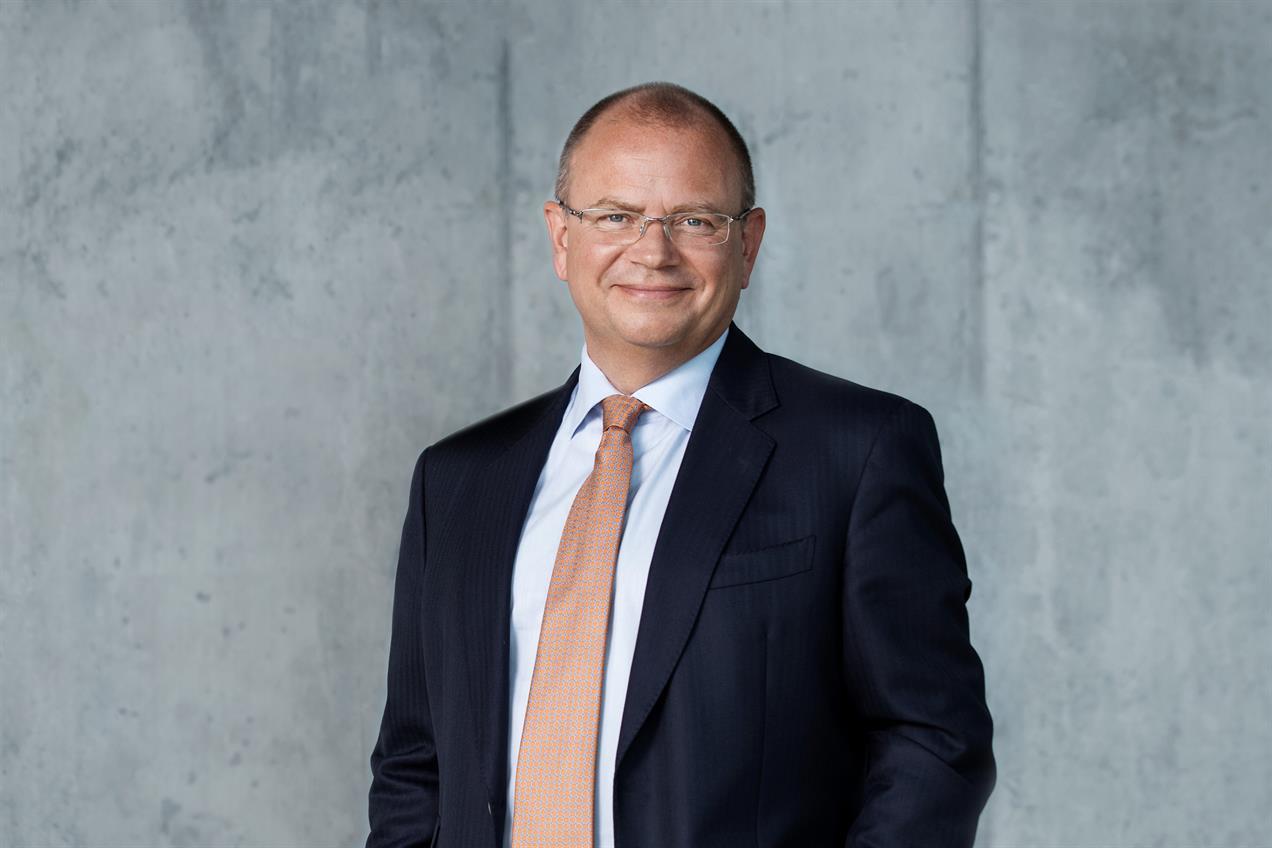
Henrik Andersen
Although India hopes Vestas will return to the market and the two sides are in constant communication, Vestas will not resume sales until the profitability problem is solved.
Data also reflects the dilemma of European and American turbine manufacturers in India: India signed a record 8.5 GW of wind power contracts in 2025, yet not a single order went to European and American OEMs.
Vestas also stressed that this does not mean a complete withdrawal from the Indian market. It just refuses to do "loss-making business" until a viable profit model is worked out.