French energy major TotalEnergies has had its application to surrender the offshore wind concession for the 1.5 GW Nordsee Energies 2 project at site N-11.2 in the North Sea flatly rejected by German authorities. Germany’s Federal Minister for Economic Affairs issued a firm statement: once an offshore wind concession is awarded, it creates a legally binding commitment, and developers have no right to unilaterally abandon the site.
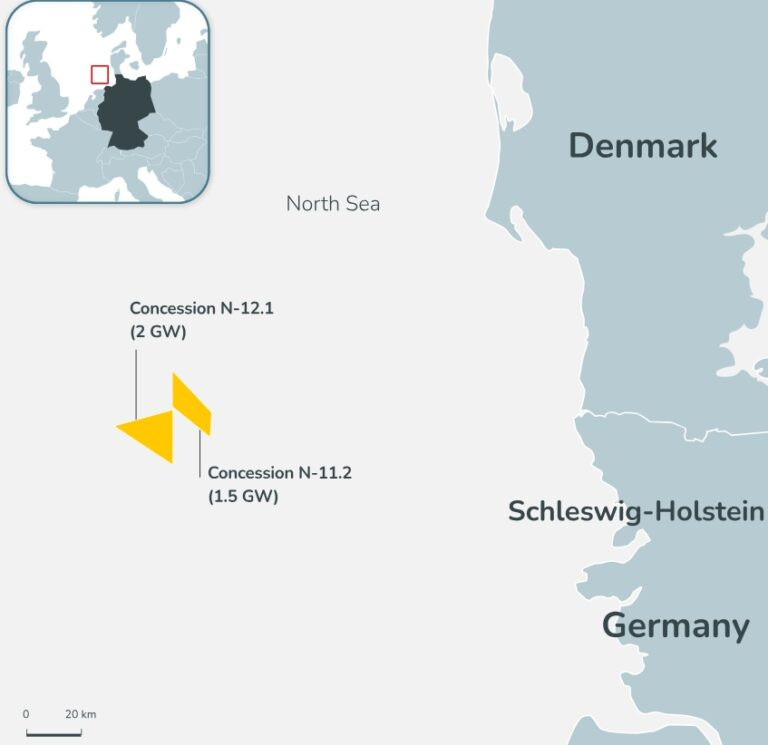
TotalEnergies secured development rights to the 156-square-kilometre sea area via a tender in 2024. However, the project’s profit outlook has deteriorated sharply amid surging construction costs, shifting market conditions and severe delays to grid connection timelines set by German transmission operators. The company held multiple rounds of talks with the German government to return the site and cut its losses, yet all negotiations ended without success. To retain its concession rights, TotalEnergies had to submit the permit application for the project and pay the initial 10% instalment as stipulated in the licence contract. It also intends to claim compensation for losses stemming from grid connection delays. Despite this setback, TotalEnergies stated it will press ahead with the development of its other offshore wind assets across Germany.
German regulators took this hardline stance to uphold the legally enforceable nature of wind concessions. Under Germany’s marine and wind energy legislation, developers may only apply to surrender a concession if pre-construction surveys reveal unforeseen severe geological or ecological flaws. Commercial risks including cost inflation, grid delays and poor project economics do not qualify as legally valid grounds for concession handback.
Furthermore, Germany is under immense pressure to scale up offshore wind capacity and expand its power grid. Granting TotalEnergies an exemption to return the 1.5 GW site would likely trigger a wave of similar requests from other concession holders, resulting in widespread idle sea areas and a collapse of investment in the energy transition. Regulators therefore stand firm on legal provisions to safeguard the tender system and orderly wind farm development.
Similar concession disputes have emerged frequently in offshore wind markets worldwide, driven by identical core issues: skyrocketing costs, insufficient grid infrastructure and policy uncertainty. Two distinct regulatory models have emerged for resolving such conflicts. Germany enforces the strictest performance obligations, generally barring voluntary concession surrender with only narrow statutory exceptions to deter speculative site acquisition followed by project abandonment. By contrast, the UK and US operate under sea lease frameworks that allow firms to hand back or transfer concessions, though upfront rental payments and security deposits are typically non-refundable, leaving developers unable to recoup sunk costs.
Major firms including BP and JERA hold gigawatt-scale offshore wind concessions in Germany but have paused development due to grid delays, repeatedly calling for a formal exit mechanism. TotalEnergies’ failed bid to surrender its site lays bare structural flaws in Europe’s offshore wind concession regime, and may prompt Germany to revise relevant legislation to strike a balance between developers’ commercial risks and national energy transition targets.