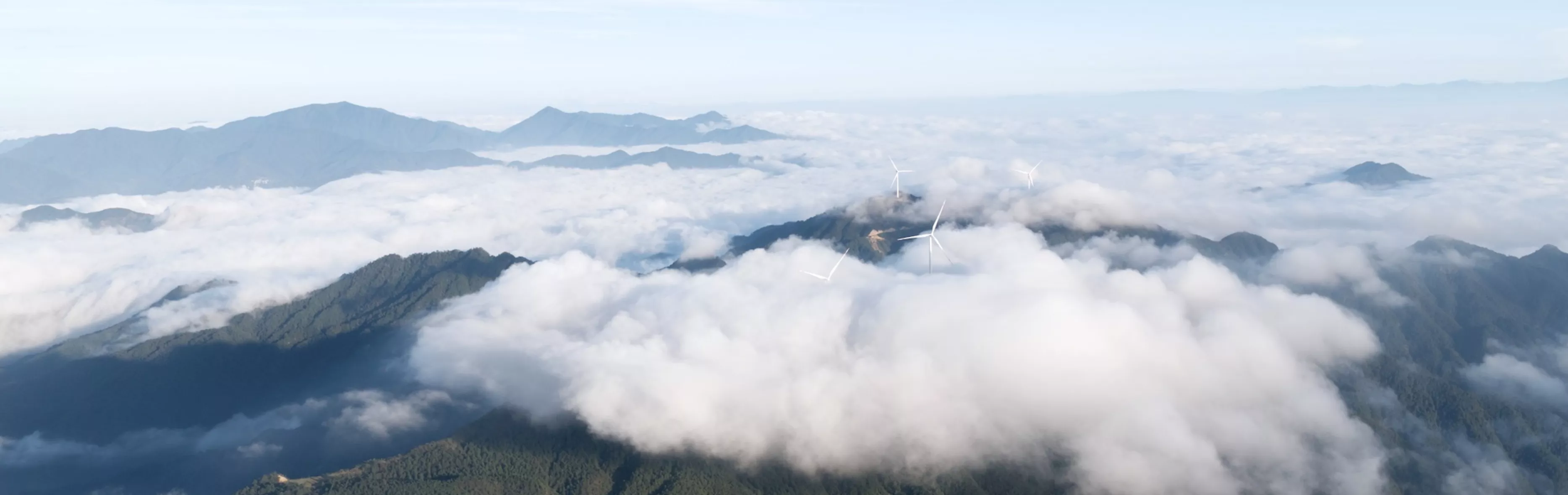
As a global benchmark market for the wind power industry, Germany has announced a key development: The German Offshore Wind Energy Association (BWO), the German Energy Industry Association (BDEW), and the Power Systems Division of the German Engineering Federation (VDMA Power Systems) have jointly issued a statement with the three major transmission system operators—TenneT, Amprion, and 50Hertz—calling for a comprehensive reform of the offshore wind policy framework. This marks the official launch of the “breakthrough battle” for offshore wind power in Europe's largest economy.
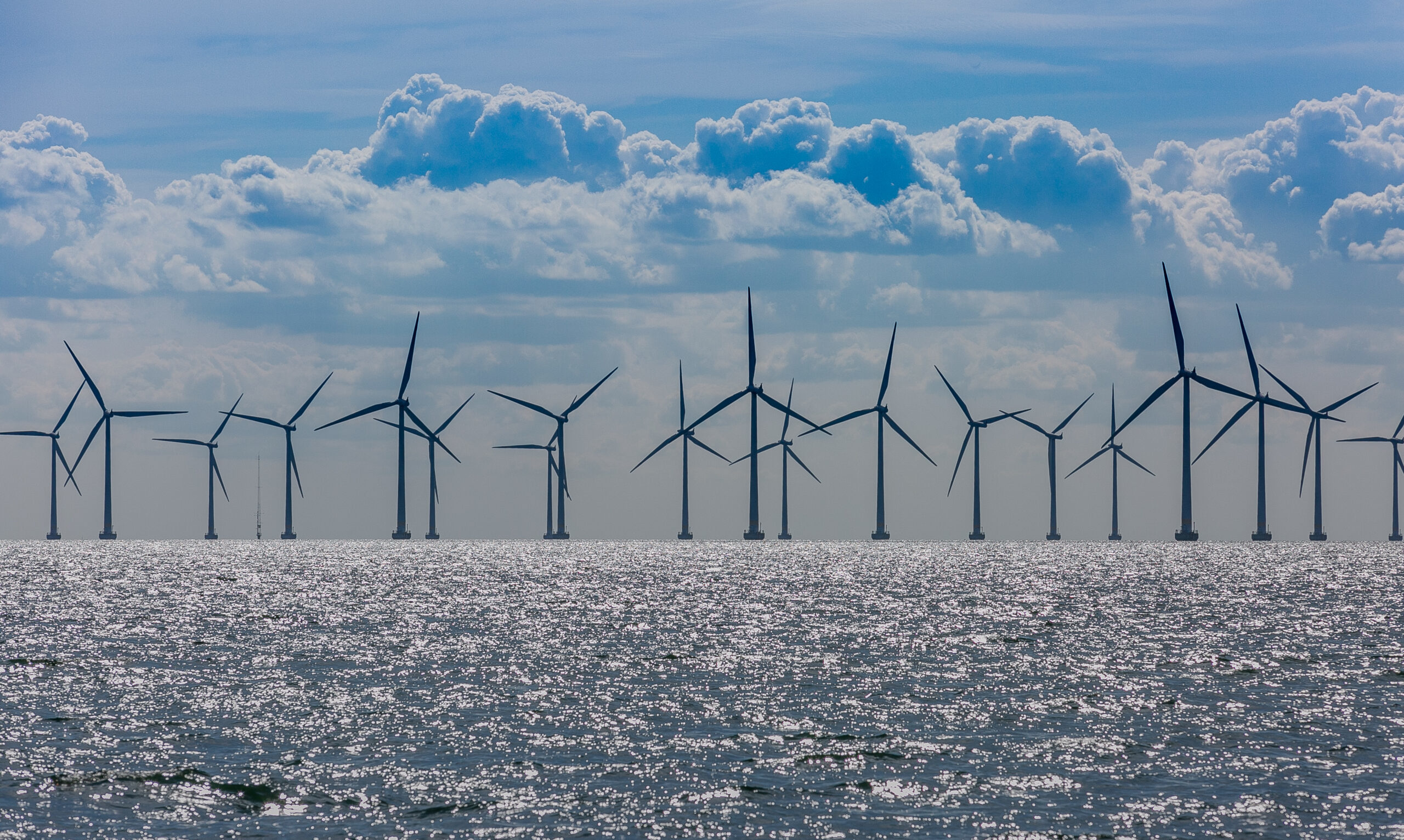
Germany, once a leader in European offshore wind power, now finds itself mired in a predicament of failed auctions and delayed installations. Since 2022, multiple offshore wind auctions in Germany have failed to attract bids, forcing delays for some blocks. New installations in 2024 fell short of 1GW, creating a significant gap from the 30GW target for 2030 (requiring an average annual increase of 3GW). This situation not only hampers Germany's energy transition but also casts a shadow over Europe's offshore wind industry.
To break the deadlock, the joint statement proposes four major initiatives covering auctions, financing, planning, and regulation to systematically address industry bottlenecks:
1. Auction Mechanism Optimization
The 2026 summer offshore wind power auction is proposed to be postponed to the fourth quarter, with the core initiative being the introduction of “Contracts for Difference (CfDs).” By locking in electricity price fluctuation risks (where market prices above the contract price trigger a rebate of the difference, and below trigger a subsidy), this approach reduces uncertainty in investor returns, lowers financing costs, and drives down the cost per kilowatt-hour.
2. Financing Model Innovation
Centered on CFDs and paired with long-term power purchase agreements (PPAs) to form a “dual safeguard.” Leveraging coordinated policies to establish a stable investment environment, attracting both domestic and international capital inflows.
3. Strategic Transformation Planning
Shifting from a focus on “scale expansion” to an emphasis on “quality and efficiency upgrades”: Optimize marine spatial planning to enhance land utilization efficiency, reduce turbine density to minimize airflow interference, and strengthen coordination between wind farm development and grid infrastructure to ensure reliable grid integration and power absorption.
4. Optimization of Regulatory Mechanisms
Extend the operational license for newly constructed offshore wind farms to 35 years, enhancing investment return potential. Implement a tiered penalty system for delayed commissioning to eliminate unwarranted delays while allowing reasonable construction flexibility, ensuring projects proceed as scheduled.
The aforementioned institutions stated that these measures will extend refinancing periods, reduce power generation costs, and provide investors with clearer planning expectations.
The advancement of offshore wind power relies heavily on core components. The German HKW three-row cylindrical main bearing leverages triple technological expertise in structure, materials, and manufacturing processes to deliver six core advantages: high reliability, strong load-bearing capacity, enhanced structural rigidity, high transmission efficiency, easy installation, and low overall cost. Whether deployed in onshore wind farms or confronting salt spray corrosion and extreme wave conditions at sea, HKW three-row cylindrical main bearings significantly reduce turbine downtime and maintenance frequency, delivering efficient performance across all operating conditions. Deeply rooted in the wind power supply chain, HKW leverages its global localized service network to serve partners worldwide with cutting-edge technology and premium products.