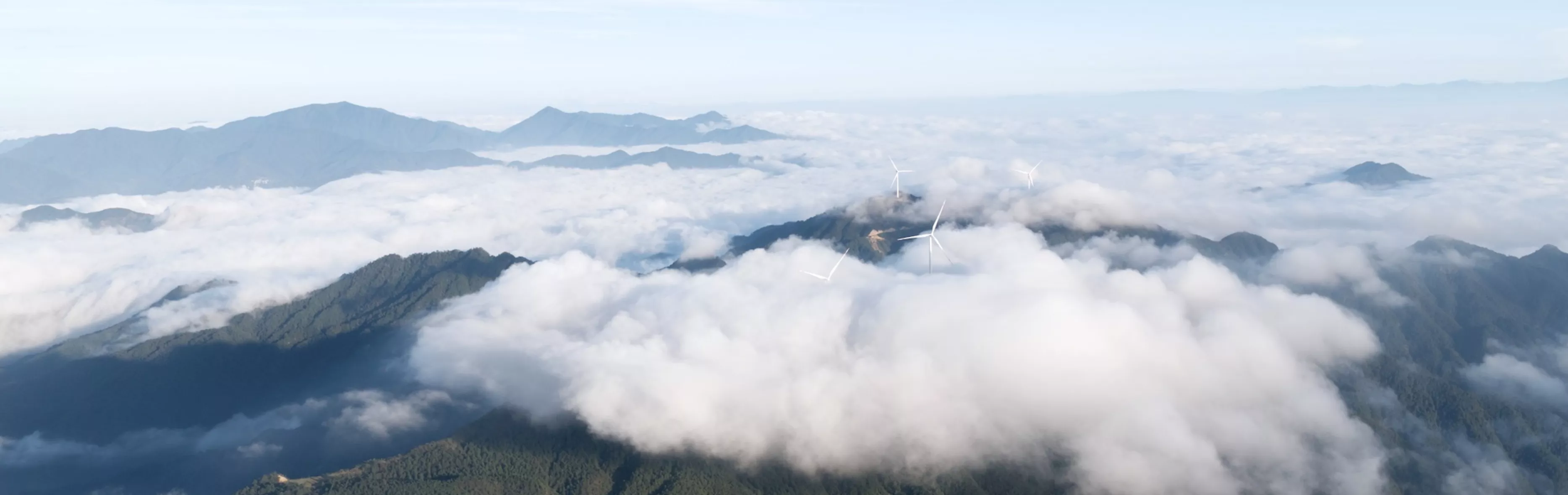
German energy giant Siemens Energy has explicitly rejected demands from U.S. activist investor Ananym Capital to spin off its loss-making wind power unit Siemens Gamesa, refusing to divest the business. The company reaffirmed its unwavering commitment to advancing the profitability recovery plan for this business segment.
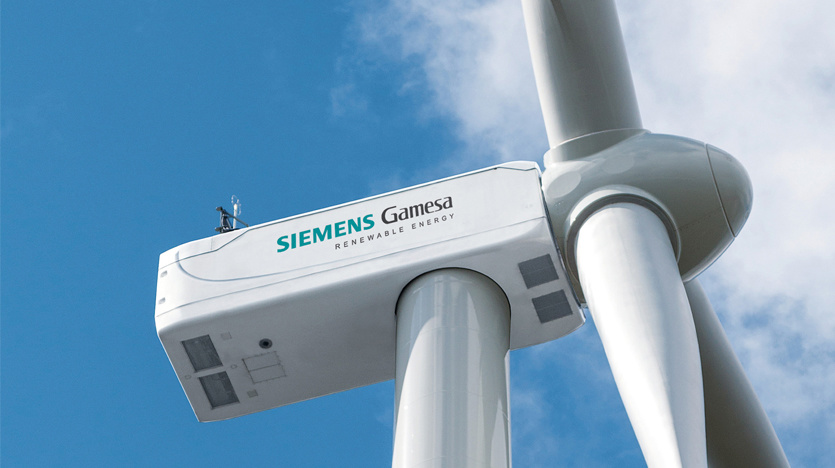
According to the Financial Times, Siemens Energy's stock price more than doubled in 2025, marking robust growth. This substantial surge provided the company with sufficient confidence to comfortably reject Ananym Capital's spin-off proposal. The origins of this spin-off controversy trace back to a shareholder advocacy campaign initiated by Ananym Capital in December 2025. For further details, please refer to “Controversy Resurfaces! Siemens Gamesa Faces Potential Spin-Off.”
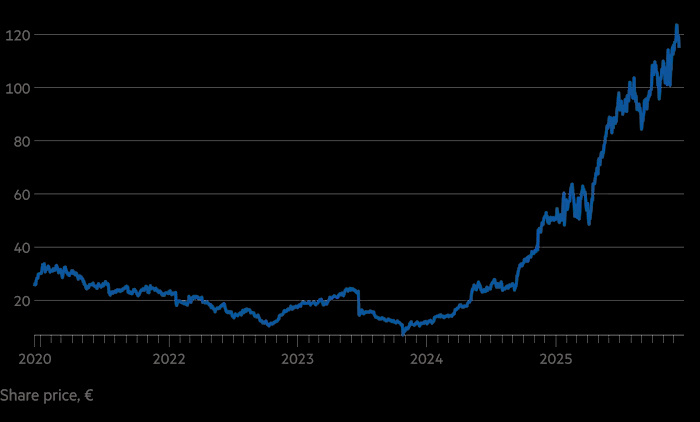
Since the start of 2024, Siemens Energy's stock price has begun to surge.
Regarding the future development path of Siemens Gamesa, Siemens Energy has established clear phased strategic objectives: achieving breakeven by fiscal year 2026; and striving to increase its operating margin to a range of 3% to 5% by fiscal year 2028.
Upon achieving its 2028 performance targets, Siemens Energy will also initiate a comprehensive special assessment for Siemens Gamesa. The evaluation will thoroughly consider two core factors: industry volatility and the competitive landscape among Chinese peers. The ultimate objective is to “ensure its profitability possesses the potential for double-digit growth.”
Regarding the key objective of achieving breakeven by fiscal year 2026, Siemens Gamesa CEO Vinod Philip recently shared his core perspective in an interview with Energy Observer. He stated that fiscal year 2026 represents a critical window for Siemens Gamesa's transformation and development. Successfully achieving breakeven would signify the company's formal return to a growth trajectory while establishing the core capabilities required for sustainable profitability.
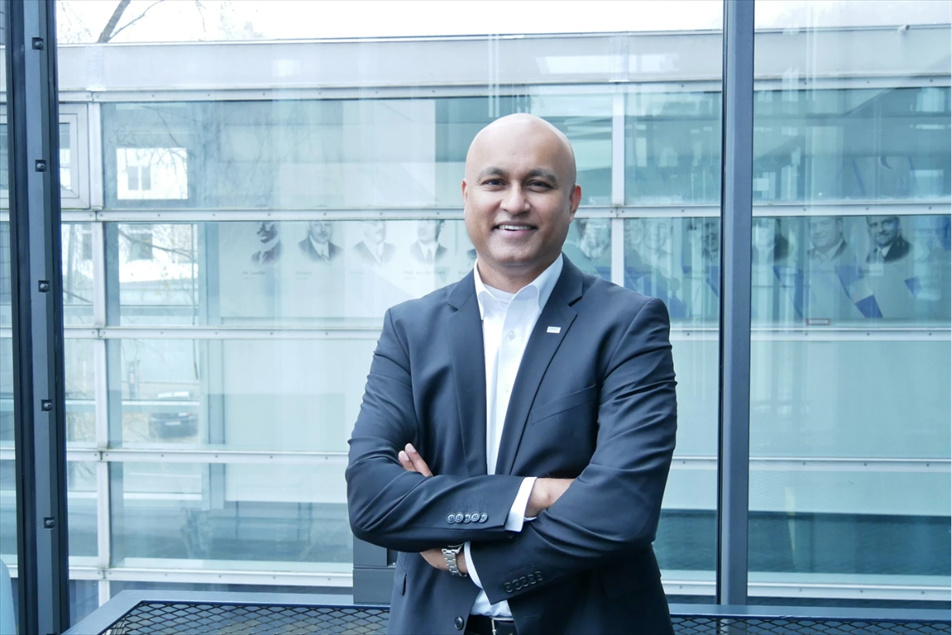
Siemens Gamesa CEO Vinod Philip
Vinod Philip further revealed that Siemens Gamesa's offshore wind project pipeline for fiscal year 2026 has reached a record high, with over 650 turbines scheduled for installation in 2026 alone.
Regarding profitability enhancement, he emphasized that services and the aftermarket will serve as core growth engines. Among these, the service business forms a solid foundation for driving profitability in onshore wind power. The aftermarket not only holds substantial revenue potential but also effectively strengthens customer relationships and creates long-term value for clients. Concurrently, in the offshore wind sector, the company will continue advancing its mature 15MW platform to further elevate business profitability.
Founded in 1921, Germany's HKW has specialized in wind turbine bearings since 1985, accumulating technological expertise throughout the industry's evolution. Its three-row cylindrical main bearing technology consistently ranks among Europe's top three. Leveraging triple technological expertise in structure, materials, and manufacturing processes, HKW's three-row cylindrical main bearings deliver six core advantages: exceptional reliability, high load capacity, superior structural rigidity, high transmission efficiency, easy installation, and low total cost of ownership. Whether deployed in onshore wind farms or confronting salt spray corrosion and extreme wave conditions in offshore environments, HKW's three-row cylindrical main bearings significantly reduce turbine downtime and maintenance frequency, delivering efficient performance across all operational scenarios. Deeply rooted in the wind power supply chain, HKW leverages its global localized service network to serve partners worldwide with cutting-edge technology and premium products.