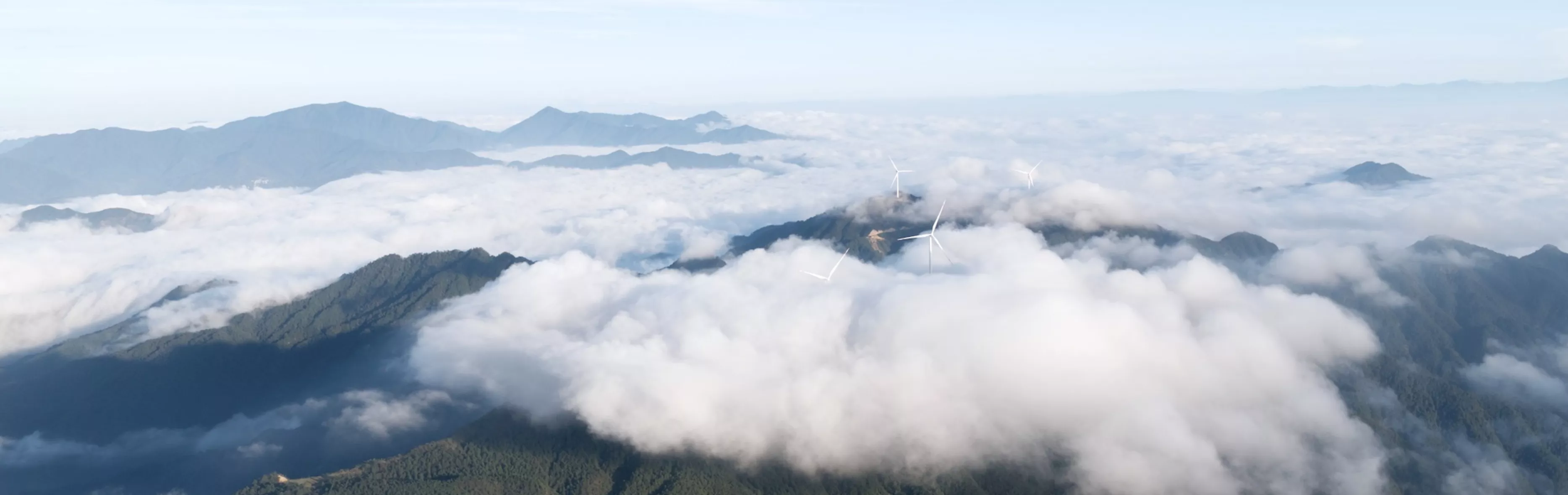
According to the latest “Global Market Overview” report released by wind power market research firm TGS 4C, the global offshore wind power industry will experience a temporary slowdown in 2025 due to the combined impact of multiple factors.
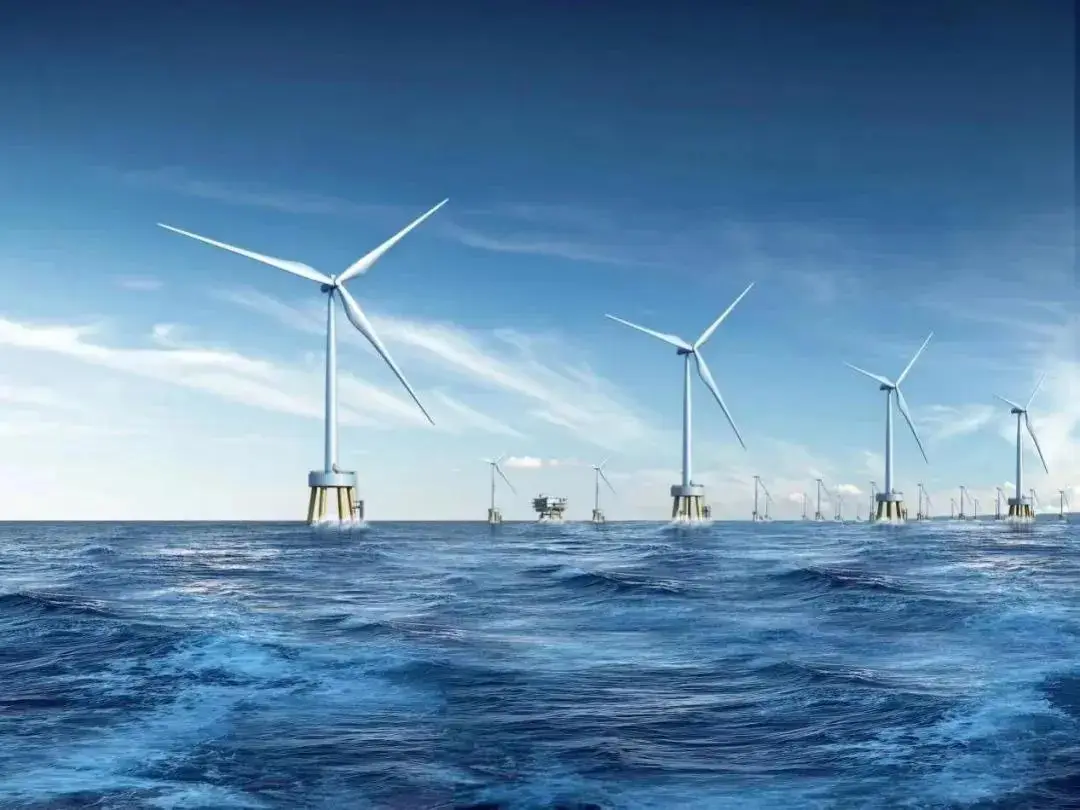
In 2025, industry pressures intensified significantly, with core issues such as stalled site auctions, reduced investment, and canceled power purchase agreements (PPAs) continuing to constrain development. Data revealed that the total new site approvals for the year plummeted to just 17.2 GW—a 78% drop from the 75 GW average recorded between 2022 and 2024. PPA approvals fell to 3.1 GW, with only South Korea, France, and Ireland signing fixed-price project contracts.
As a direct consequence, long-term industry forecasts have been significantly revised downward: Global offshore wind capacity is projected to decline by 28% year-on-year by 2030, with installations outside China falling from 192GW to 121GW. Forecasted capacity for Europe and the Asia-Pacific region has been reduced by 21% and 31%, respectively. Planned capacity additions outside China before 2040 have also been reduced by 22%, falling from 435GW in the fourth quarter of 2024 to 341GW. This adjustment fully reflects the ongoing uncertainties surrounding project economics and policy frameworks.
Despite significant short-term pressures, the report clearly identifies 2026 as a pivotal turning point for industry recovery. By that year, power purchase agreement awards are projected to surge substantially to 17.6 GW, with site tenders expected to reach 20 GW. Outside China, 11.4 GW of projects are anticipated to secure final investment decisions, while nearly 10 GW of projects will commence commercial operations. These multiple positive signals will drive the industry's gradual rebound.
In the long term, floating offshore wind power has emerged as the industry's core growth engine. The report forecasts that driven by standardized technologies reducing costs, global floating wind power capacity (including projects under construction) will reach 4.1 GW by 2030 and further increase to 56.2 GW by 2040. Among these, the United Kingdom, France, and South Korea rank as the world's most attractive floating wind power markets.
Experts note that 2025 will be a challenging year for many offshore wind developers and suppliers, with project reductions leading to frequent corporate restructuring and layoffs. However, robust global support for offshore wind power, combined with ample reserves of existing projects under construction and continuous technological breakthroughs, will propel the industry into a more stable and sustainable growth phase starting in 2026. This will provide ongoing momentum for the global energy transition.
The advancement of offshore wind power relies heavily on core components. The German HKW three-row cylindrical main bearing leverages three technological expertise in structure, materials, and manufacturing processes to deliver six core advantages: high reliability, strong load-bearing capacity, enhanced structural rigidity, high transmission efficiency, easy installation, and low overall cost. Whether deployed in onshore wind farms or confronting salt spray corrosion and extreme wave conditions at sea, HKW three-row cylindrical main bearings significantly reduce turbine downtime and maintenance frequency, delivering efficient performance across all operating conditions. Deeply rooted in the wind power supply chain, HKW leverages its global localized service network to serve partners worldwide with cutting-edge technology and premium products.