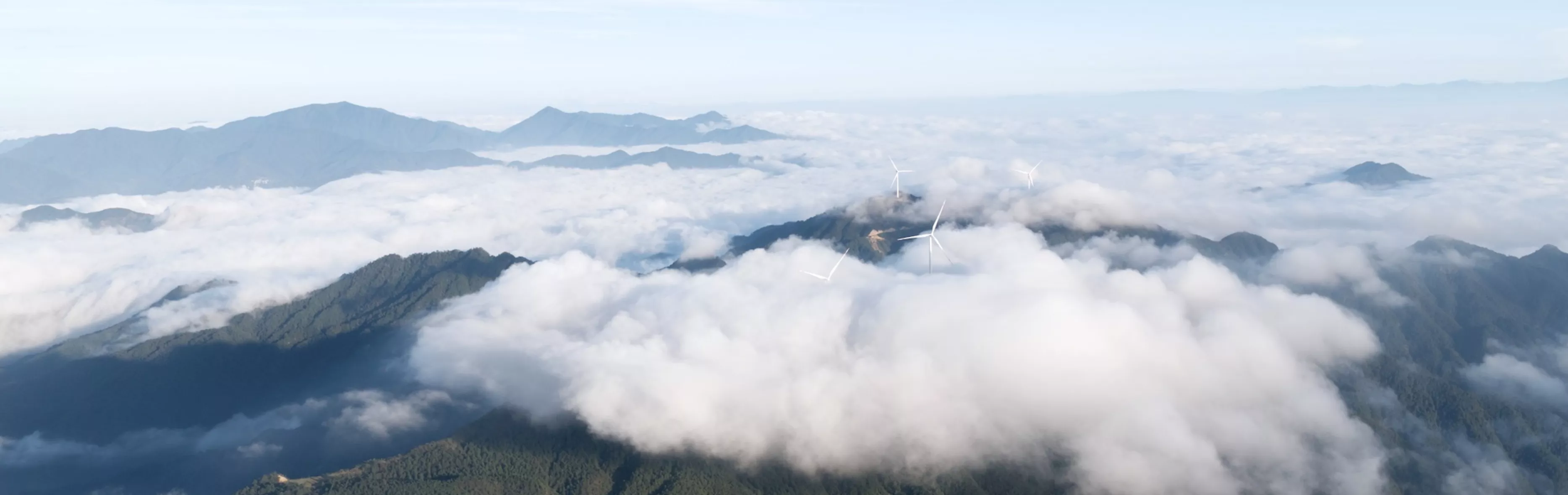
On January 20, 2025, U.S. President Trump signed a federal executive order titled the “Wind Order” on his first day in office. Its core policies comprised two measures: first, suspending all approvals for land or offshore leases for wind energy projects; second, indefinitely halting all permitting approvals for wind energy projects. Affected by the Trump administration's ban, at least seven offshore wind projects in the Northeast and Mid-Atlantic regions of the United States have stalled, with several additional projects in early development phases also impacted.
On December 8 local time, a U.S. federal judge issued a ruling formally overturning President Trump's “Wind Order” ban, declaring the executive order “illegal” and revoking it in its entirety. This ruling is viewed by the industry as a significant victory for both the U.S. onshore and offshore wind power sectors.

The lawsuit was jointly filed by 17 U.S. states, the District of Columbia, and the New York Clean Energy Coalition against the Trump administration's executive order suspending federal approvals for new wind energy projects. In her ruling, Judge Patti Saris explicitly stated that the ban lacked the legally required justification and necessity. This conclusion sets the stage for future disputes. For the prevailing parties, this outcome undoubtedly signals a breakthrough in policy. Marguerite Wells, Executive Director of the New York Clean Energy Coalition, stated plainly, “The ruling is good news, and this is just the first step.”
From an industry perspective, the positive implications of the ruling are evident. Signe Sørensen, Chief Analyst for the Americas at Eijers Insights, believes the ruling sends a strong signal that “wind power will see a new dawn in the post-Trump era.” After all, Trump's deliberate suppression of wind power relied on executive authority to maintain. If the next president does not continue the anti-wind stance, the industry environment is expected to improve significantly after early 2029. However, regarding the immediate practical impact, most institutions remain cautious.
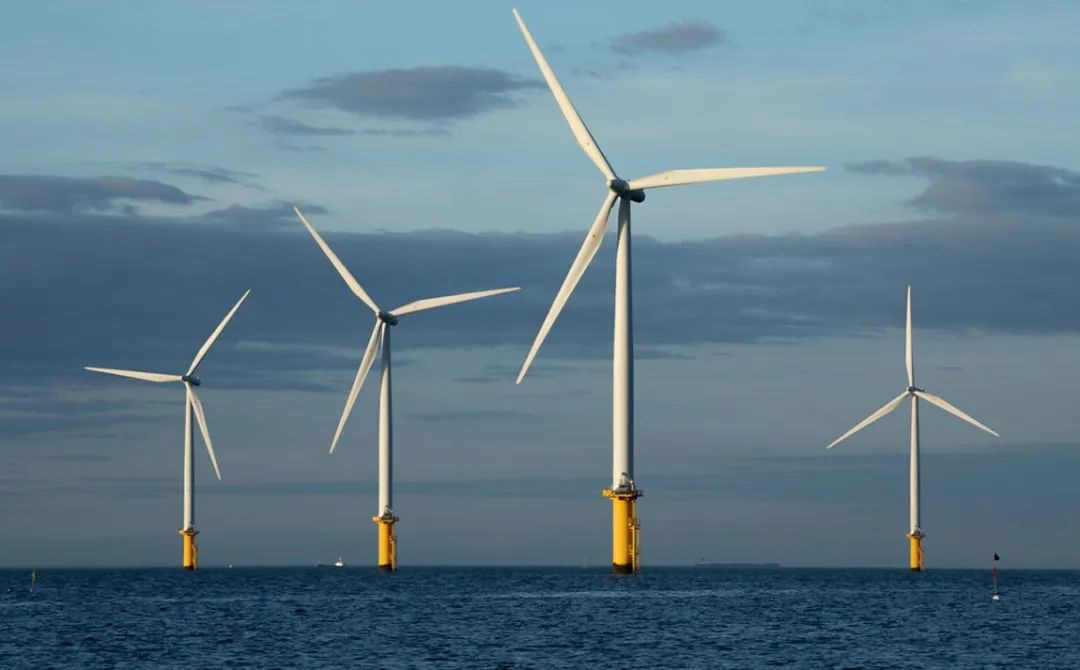
The consensus is that offshore wind power holds more symbolic than practical significance. ClearView Energy Partners Consulting notes that during Trump's presidency, only five already-started offshore wind projects could proceed, while developer and investor confidence has been severely shaken. This sense of panic will persist until January 2029 when his term ends. More critically, the lifting of the ban does not guarantee the government will resume approvals. The administration can still obstruct project progress through procedural delays or outright rejections. Data from Bloomberg New Energy Finance confirms the market's indifference: no new investments materialized in the U.S. offshore wind sector during the first half of 2025. Analyst Harrison Sholler candidly stated, “The ruling will do little to boost investor confidence.”
Signe Sørensen further predicts that even after Trump leaves office, the impact will persist. Projects that have already secured approvals, such as those by New England Wind and American Wind Energy, will need to wait for a president supportive of wind power to take office before moving forward. Meanwhile, projects at an earlier stage face challenges like rising costs and supply chain disruptions. At that point, the U.S. offshore wind market could become a “completely new battleground.”
The outlook for onshore wind power also remains uncertain. While the ruling may ease restrictions for developers, persistent issues such as grid connection queues and site selection disputes remain unresolved. Data indicates that industry projections have been significantly revised downward since Trump's election: new U.S. onshore wind capacity for 2025 is now forecast at 6.8 GW, down from 8.9 GW, while total capacity projections for 2025-2035 have shrunk from 152.5 GW to 73.5 GW—a 52% decline. Ted Kelly, an attorney with the Environmental Defense Fund's Clean Energy Department, explained that this gap is closely tied to implicit federal approval constraints. Even projects on private land require federal permits for aspects involving endangered species or wetland protection, and the government's passive stance has directly stifled industry vitality.
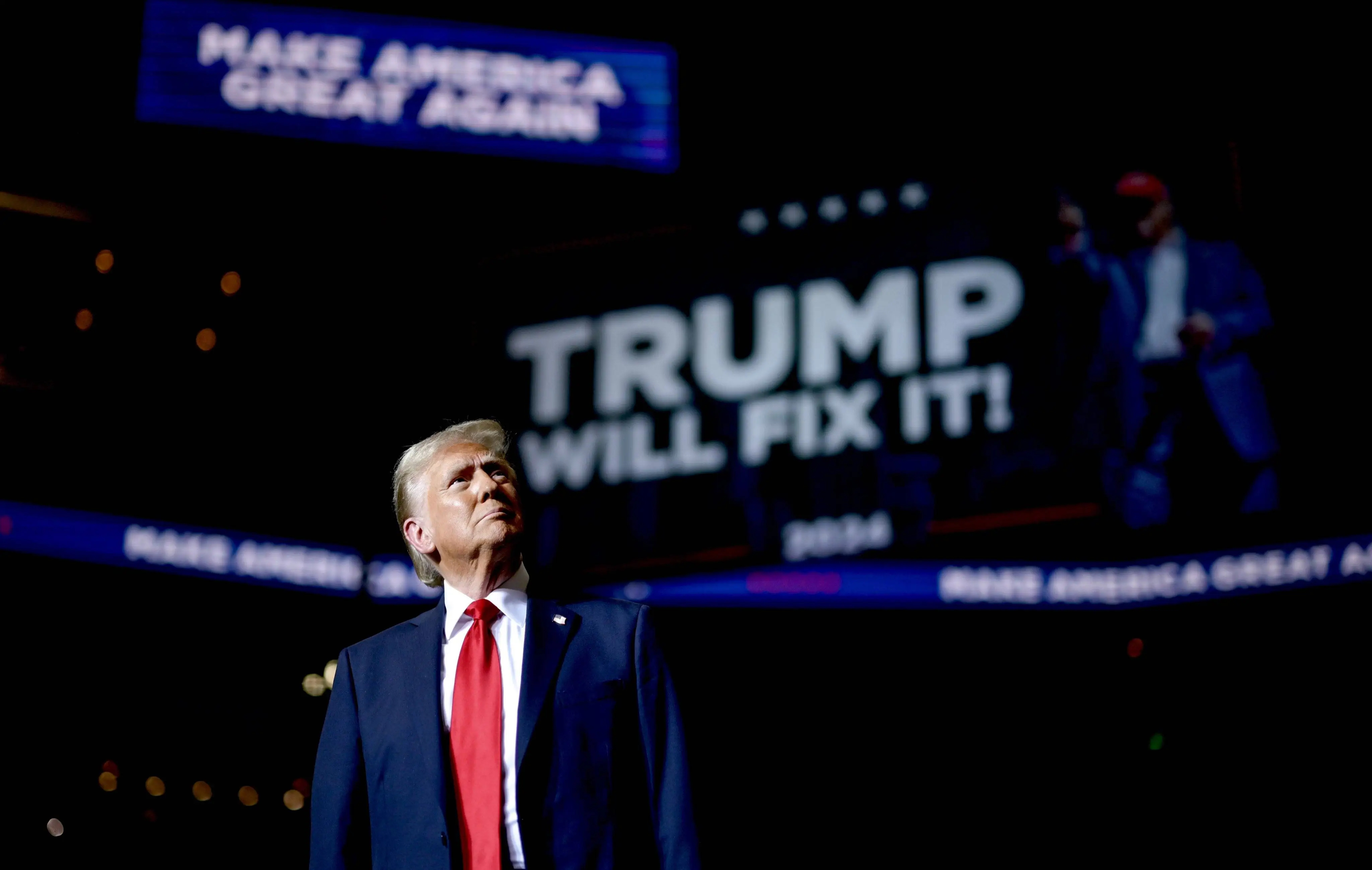
Whether this legal battle will escalate remains another key factor shaping industry expectations. ClearSight Consulting predicts the Trump administration will likely appeal, further prolonging the period of legal uncertainty. However, most legal experts believe the appeal is unlikely to succeed: on one hand, the First Circuit Court of Appeals has previously shown a cool reception toward the Trump administration; on the other, Judge Patti Saris's ruling is logically sound, making it difficult for the government to present new justifications.
It is worth noting that this ruling addresses only the approval ban, while other anti-wind power measures implemented by the Trump administration remain in effect. Policies such as the suspension of offshore lease auctions and the Secretary of the Interior's direct review of all wind and solar projects continue to squeeze the industry's survival space. Ted Kelly stated bluntly that these lingering issues “will likely require resolution through subsequent litigation.”
Overall, the overturning of the ban has opened a policy window for the U.S. wind power industry, but a genuine recovery still requires overcoming multiple hurdles including rebuilding confidence, optimizing processes, and navigating political maneuvering. For the industry, this victory ultimately amounts to nothing more than a brief respite.
Founded in 1921, Germany's HKW has specialized in wind turbine bearings since 1985, accumulating technological expertise throughout the industry's evolution. Its three-row cylindrical main bearing technology consistently ranks among Europe's top three. Leveraging triple technological expertise in structure, materials, and manufacturing processes, HKW's three-row cylindrical main bearings deliver six core advantages: high reliability, strong load-bearing capacity, enhanced structural rigidity, high transmission efficiency, easy installation, and low overall cost. Whether deployed in onshore wind farms or confronting salt spray corrosion and extreme wave conditions in offshore environments, HKW's three-row cylindrical main bearings significantly reduce turbine downtime and maintenance frequency, delivering efficient performance across all operational scenarios. Deeply rooted in the wind power supply chain, HKW leverages its global localized service network to serve partners worldwide with cutting-edge technology and premium products.