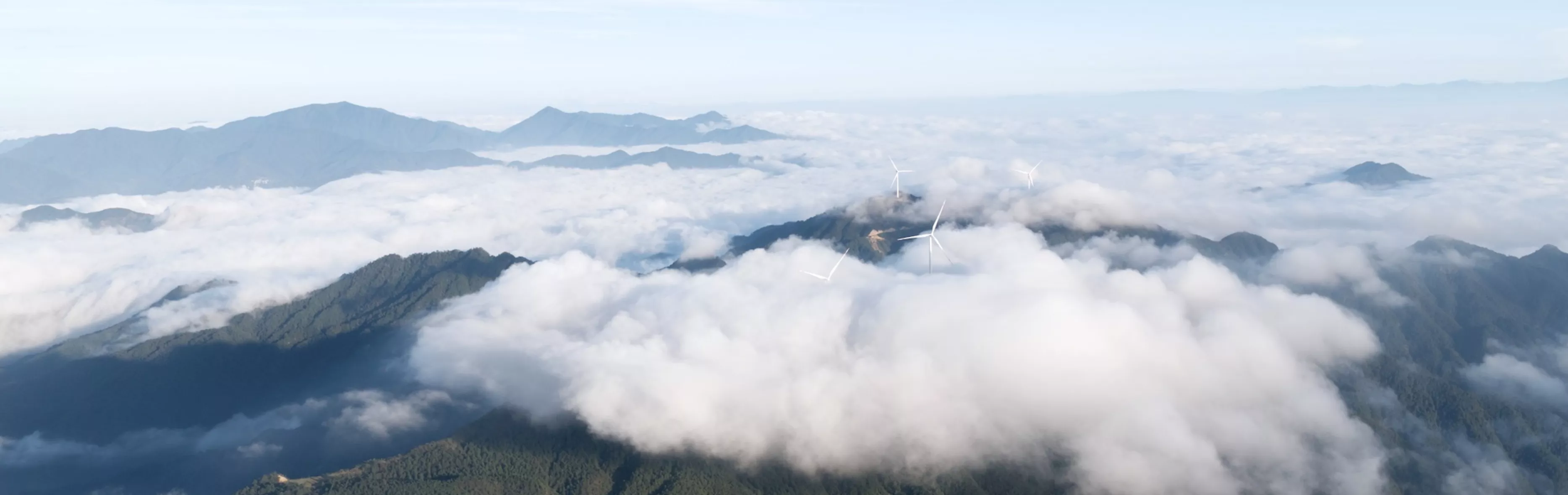
On January 5 local time, the German government officially announced that the third North Sea Summit will be held in Hamburg on January 26. The North Sea Summit is not merely a multilateral meeting, but a key initiative for Europe to resolve its energy challenges and consolidate its leadership in offshore wind power.
At the invitation of the German Chancellor, heads of government and energy ministers from ten countries—Germany, Denmark, Belgium, the Netherlands, Norway, France, Luxembourg, the United Kingdom, Ireland, and Iceland—along with representatives from the European Commission and NATO, will convene under the theme “From National to Regional” to jointly formulate an offshore wind power development plan. Beyond political leaders, diverse stakeholders including wind power developers, equipment manufacturers, industry associations, financial institutions, and non-governmental organizations will also be invited to attend.
As a transnational energy cooperation platform initiated by Denmark in 2022, the North Sea Summit has consistently focused on the core demands of Europe's energy transition: the inaugural summit centered on reducing dependence on Russian fossil fuels; The second summit, held in Belgium in 2023, formally established the strategic goal of “transforming the North Sea into Europe's green power plant,” outlining an ambitious roadmap to achieve 120GW of offshore wind capacity by 2030 and 300GW by 2050.
This summit marks the first time Iceland has been invited to participate, introducing the new concept of “regional synergy.” It will prioritize advancing cross-border planning and financing for offshore wind farms and supporting power grids; establishing a stable and predictable investment environment to mitigate industry risks and attract deeper private capital involvement; while simultaneously strengthening the protection of critical infrastructure.
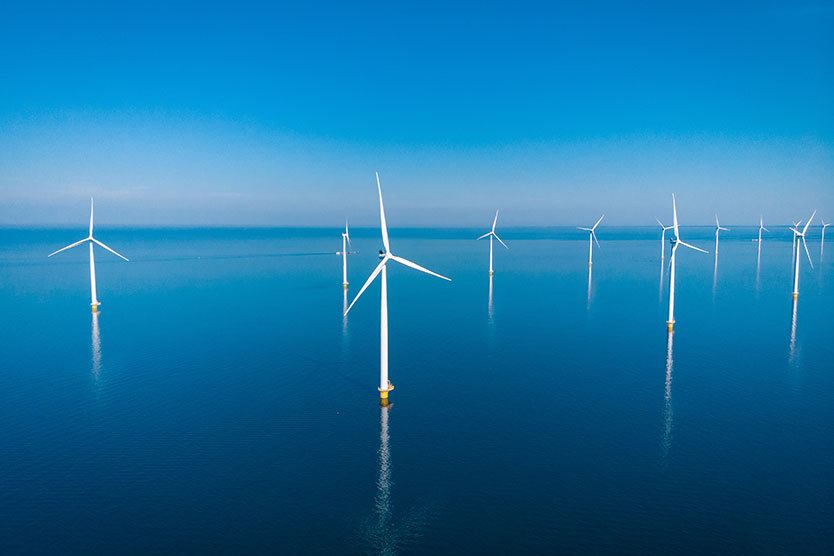
The industry holds high expectations for this summit. Siemens Gamesa CEO has publicly stated that the North Sea Summit is the most noteworthy event in the global wind power sector for 2026, holding significant importance for shaping industry policies, accelerating cooperation, and consolidating Europe's leadership in offshore wind power.
The European offshore wind sector currently faces challenges such as supply chain bottlenecks and insufficient investment confidence. The market widely anticipates that this summit will produce a joint intergovernmental declaration, secure multiple cross-border cooperation agreements, and sign a series of practical industry collaboration documents.
Founded in 1921, Germany's HKW has specialized in wind turbine bearings since 1985, accumulating technological expertise throughout the industry's evolution. Its three-row cylindrical main bearing technology consistently ranks among Europe's top three. Leveraging triple technological expertise in structure, materials, and manufacturing processes, HKW's three-row cylindrical main bearings deliver six core advantages: exceptional reliability, high load capacity, superior structural rigidity, high transmission efficiency, easy installation, and low total cost of ownership. Whether deployed in onshore wind farms or confronting salt spray corrosion and extreme wave conditions in offshore environments, HKW's three-row cylindrical main bearings significantly reduce turbine downtime and maintenance frequency, delivering efficient performance across all operational scenarios. Deeply rooted in the wind power supply chain, HKW leverages its global localized service network to serve partners worldwide with cutting-edge technology and premium products.