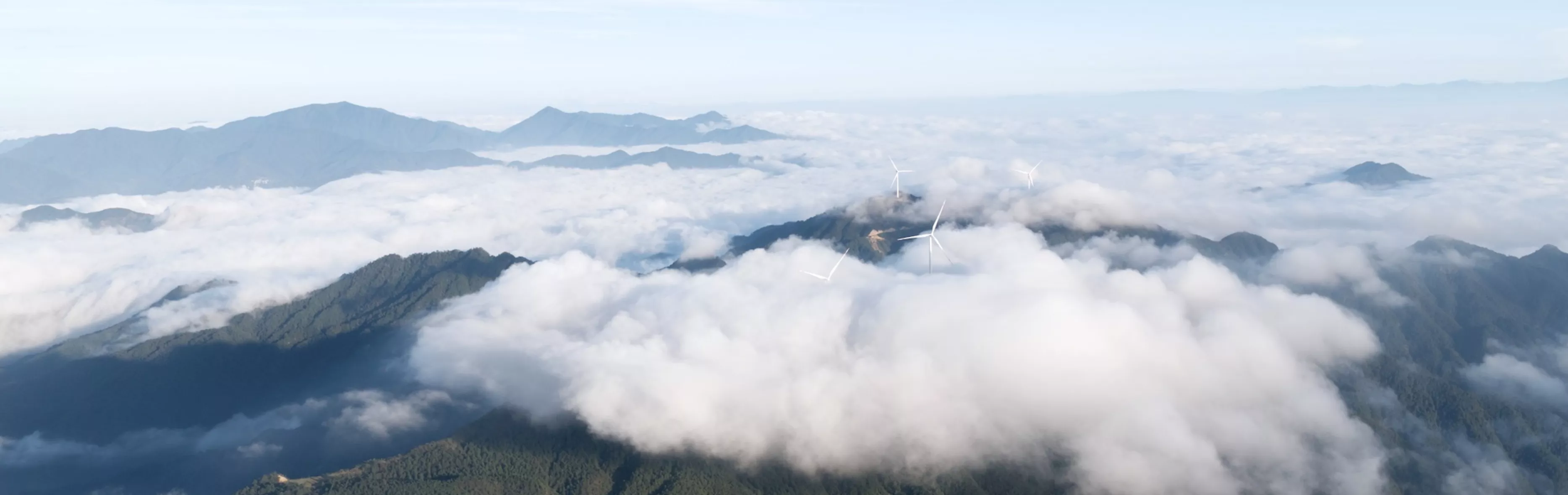
According to preliminary statistics from the Global Wind Energy Council (GWEC), global wind power installations reached a new record high in 2025.
By 2025, the global wind power sector is projected to add approximately 150 GW of new installed capacity, bringing the cumulative total installed capacity to nearly 1,300 GW—a significant increase from the 1,136 GW recorded at the end of 2024.
GWEC further forecasts that by 2030, the global operational wind power capacity is expected to exceed 2,000 GW, with the industry maintaining robust growth momentum.
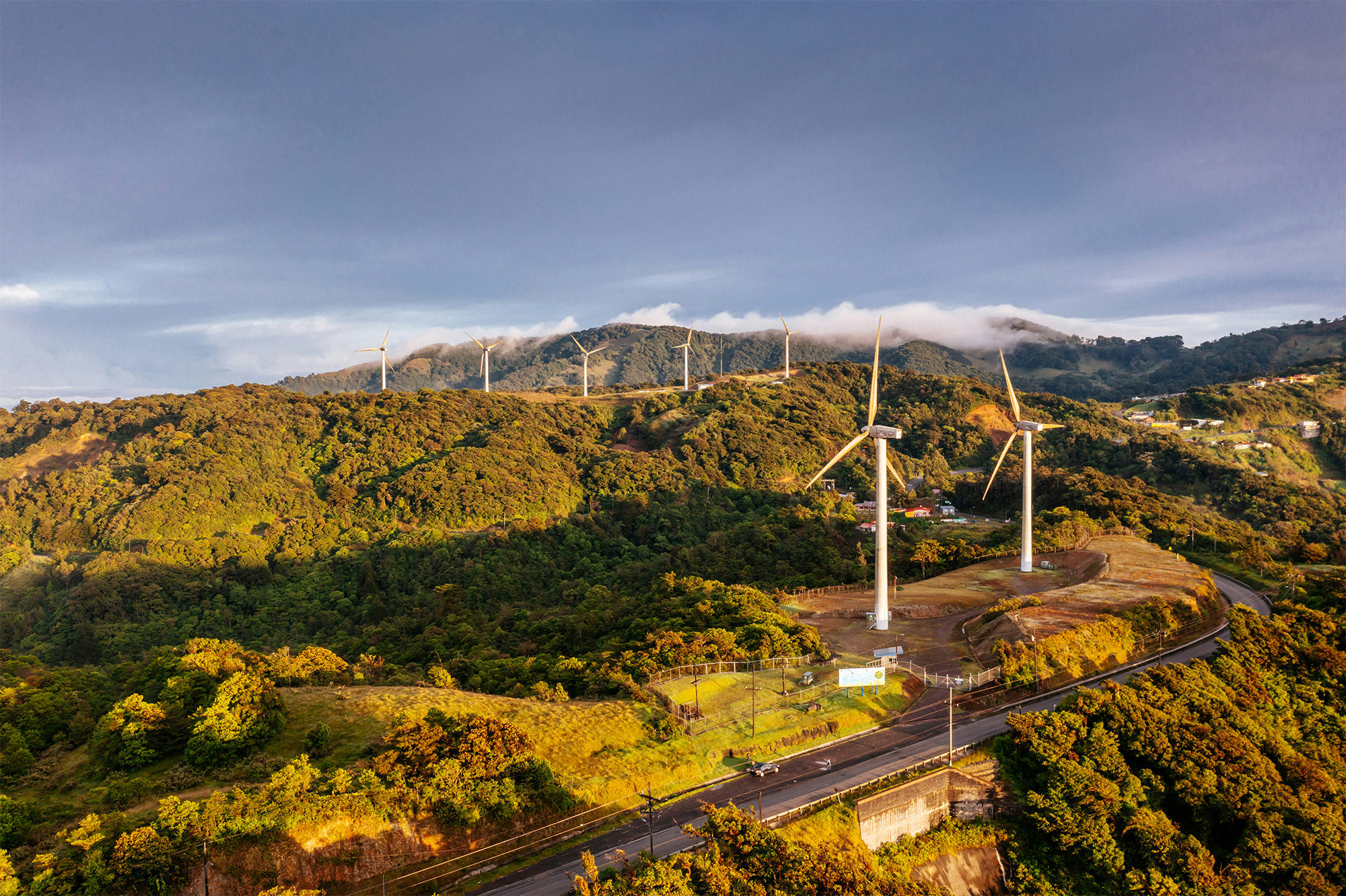
From a regional ranking and contribution perspective, the Asian market has emerged as the absolute growth engine. China led the world with approximately 100GW of new installations, accounting for over 60% of global growth and becoming the primary driver of industry expansion. India also delivered an impressive performance, achieving a record-breaking 6.3GW of new installations.
GWEC notes that the industrial demand for clean electricity in Asia's emerging economies is the core driver of wind power growth in the region and globally.
The European and American markets demonstrated resilient growth. Europe added 16.5 GW of new capacity throughout the year, remaining largely unchanged from 2024 and continuing the stable trajectory of mature markets. Despite policy obstacles imposed by the Trump administration halting offshore wind construction, the United States is still expected to achieve 7 GW of new installations, highlighting the market's inelastic demand for wind power.
GWEC emphasizes that current GDP growth and wind power deployment have become deeply intertwined, with wind energy emerging as a key choice for many developing countries to enhance electricity supply and support economic growth at affordable costs. Looking ahead to 2030, countries like Vietnam, Australia, and the Philippines will gradually catch up with mature European markets, with renewable energy becoming the core driver for these nations to achieve their GDP growth targets.