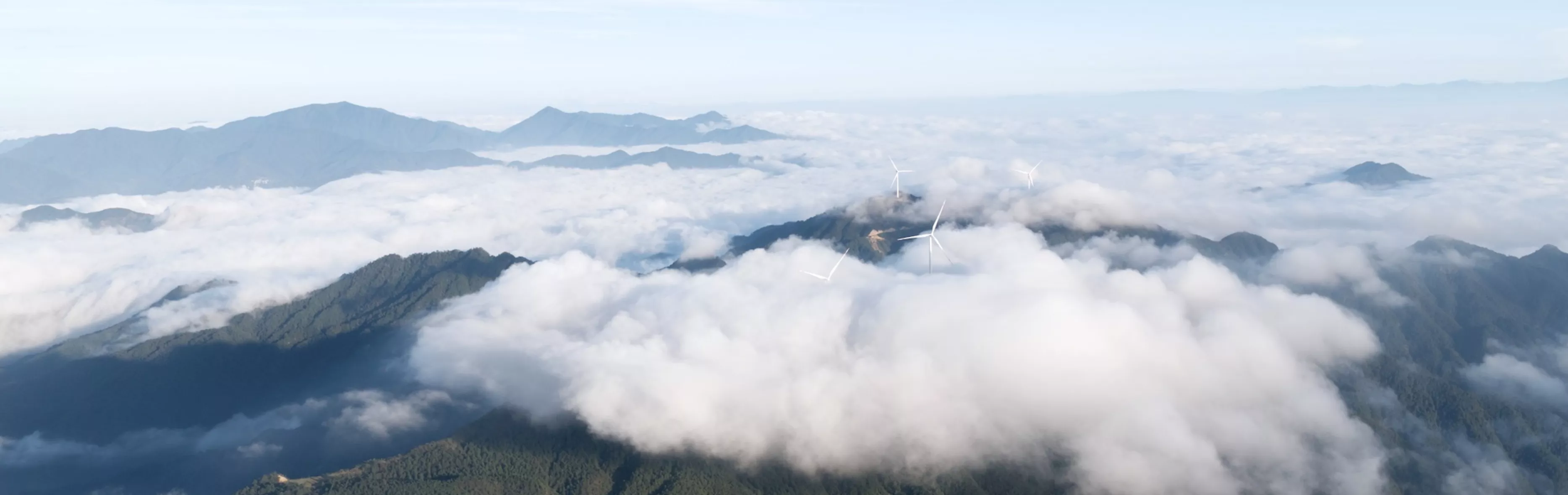
Standing on the coastline and gazing westward in 2050, the North Sea will look vastly different from how it appears today. A new research study forecasts that the sea will evolve into a bona fide "super power station", with 19,400 offshore wind turbines rising above the waves, their spinning blades delivering a steady stream of clean energy to the seven nations bordering the basin.
Led by Heriot-Watt University in collaboration with the University of Hull and the University of St Andrews, the report ranks among the most comprehensive assessments of offshore wind development across the North Sea to date. The research concludes that if the seven coastal countries — the Netherlands, Belgium, Denmark, Germany, the United Kingdom, Norway and France — all honour their existing energy pledges, offshore wind farms will occupy 11% of the North Sea’s total area, hosting roughly 19,400 turbines by 2050.
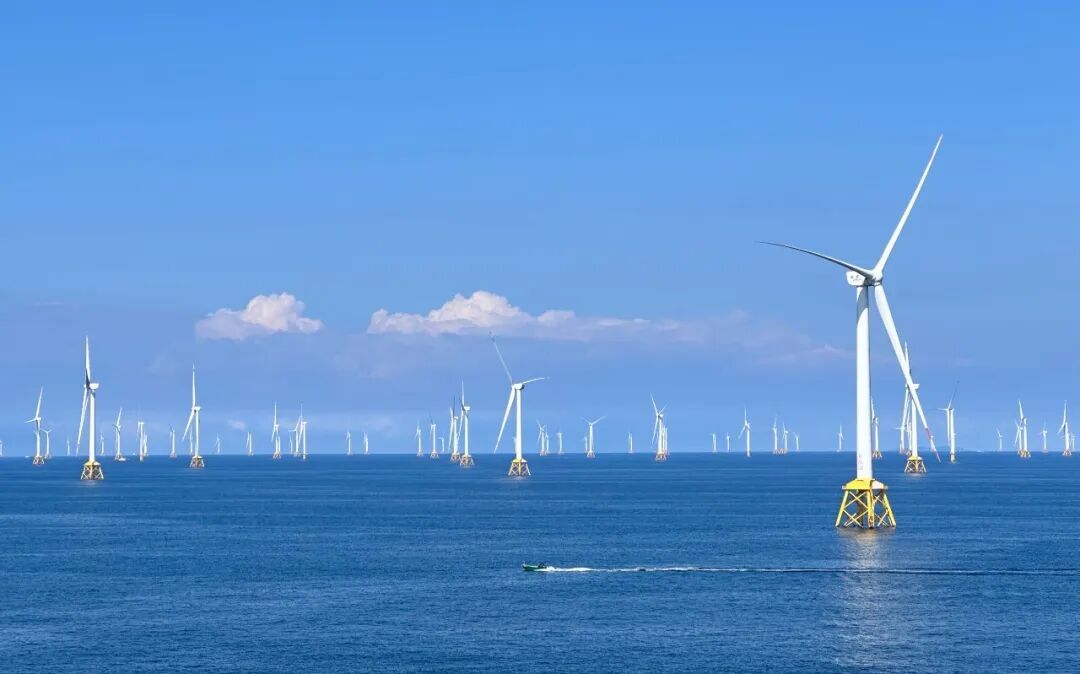
Projections show the UK will lead the North Sea with around 4,200 operational turbines by 2030, followed by Germany with 2,700 and the Netherlands in third place with 1,700 units.
This ranking will remain unchanged through 2050. By the middle of the century, the UK’s turbine fleet is set to expand further to approximately 6,300, Germany will reach 4,300, and the Netherlands will top 4,200 turbines.
While the UK and Germany dominate in absolute installation numbers, the Netherlands claims the highest intensity of marine development. The study estimates wind farms will cover as much as 19% of the Dutch exclusive economic zone in the North Sea by 2050, compared with 18% for Belgium, 15% for Denmark and 14% for Germany. In contrast, development density is far lower in the UK, Norway and France, where wind installations take up just 9%, 8% and 7% of their respective North Sea waters.
Scientists have nevertheless underlined that the findings represent a scenario projection built on current industry data and national energy ambitions, rather than an exact forecast of where wind farms will physically be sited in 2050. Even so, the research vividly sketches an ambitious grand blueprint for the North Sea’s energy transition.