Siemens Energy has released its Q3 financial results for the 2026 fiscal year (running from 1 October 2025 to 30 September 2026). Its windpower subsidiary Siemens Gamesa delivered a mixed set of results. After yearslong losses, the turbinemaking arm has returned to quarterly profitability, yet its newlysigned order volume suffered a severe 79‑percent year‑on‑year slump.
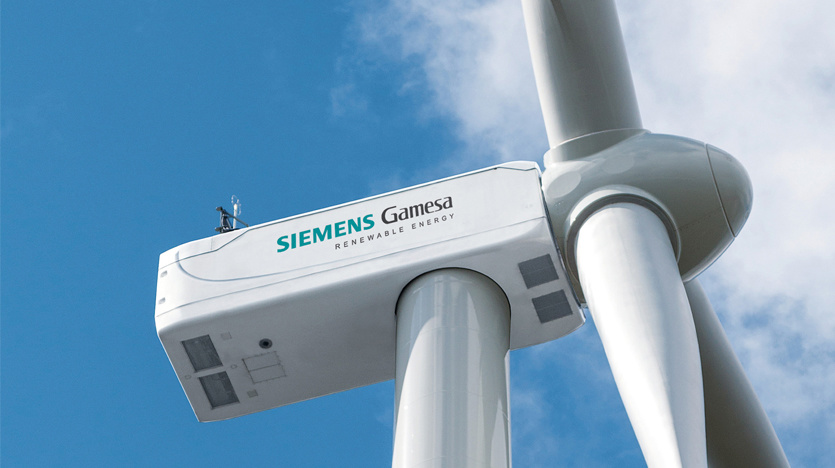
Mixed fortunes: profitable turningpoint and stalling order intake
Financial figures lay bare Siemens Gamesa’s toughgoing business landscape. Driven by growing offshorewind deliveries, divisional revenue rose by 13.5 % to €2.74 billion. Profit before specialitems reached €75 million, marking a successful turnaround from losses.
New order inflows nevertheless painted a gloomy picture. Quarterly orders totalled merely €1.05 billion, a sharp drop from €4.89 billion recorded in the same quarter a year earlier. The company explained that the plunge stemmed from the absence of major offshorewind contract wins during the period. It described the downturn as a cyclical fluctuation rather than a contraction in fundamental market demand.
Industry rivalry: calls for European giants to unite amid Chinese competition
European originalequipment manufacturers are under intense costdriven competitive pressure from Chinese turbine suppliers. Calls have grown louder for regional windturbine firms to join forces. Nordex and its major shareholder Acciona were the first to advocate industrial consolidation to create a European industrial champion comparable to Airbus.
During the postearnings investor call, Siemens Energy Chief Executive Officer Christian Bruch shared his viewpoint on prospective industry consolidation.
When journalists asked whether the group would weigh up mergers with leading European manufacturers including Vestas, Nordex and Enercon to counterbalance competition from Chinese enterprises, Bruch delivered a considered response.
He did not rule out consolidation and acknowledged the tough commercial reality. “A large number of Chinese competitors are entering our market. When it comes to turbine hardware costs, we struggle to match their bid prices. That is the reality we need to accept.”
While the company remains receptive to consolidation, Bruch also pinpointed substantial practical obstacles.
The first barrier lies in legislation. Strict European Union antitrust rules create highlevel scrutiny for any merger between toptier manufacturers, rendering official approval difficult to secure.
Policyrelated hurdles constitute the second obstacle. Bruch stressed that industrial consolidation is far more than a commercial choice and amounts to a political matter. Corporateled merger plans can hardly materialise until EU policymakers introduce supporting frameworks and clearcut strategies for the domestic windenergy sector. Largescale consolidation within Europe’s windpower sector is therefore waiting for official policy clearance.